Three palaces, three different Viennas
Most cities have one palace that matters. Vienna has three of the first rank, and they are not interchangeable. The mistake visitors make is to treat them as a checklist — Schönbrunn on Monday, the Hofburg on Tuesday, the Belvedere on Wednesday — and come away with a blur of gilded ceilings. Each one tells a different part of the Habsburg story, and each rewards a different kind of attention.
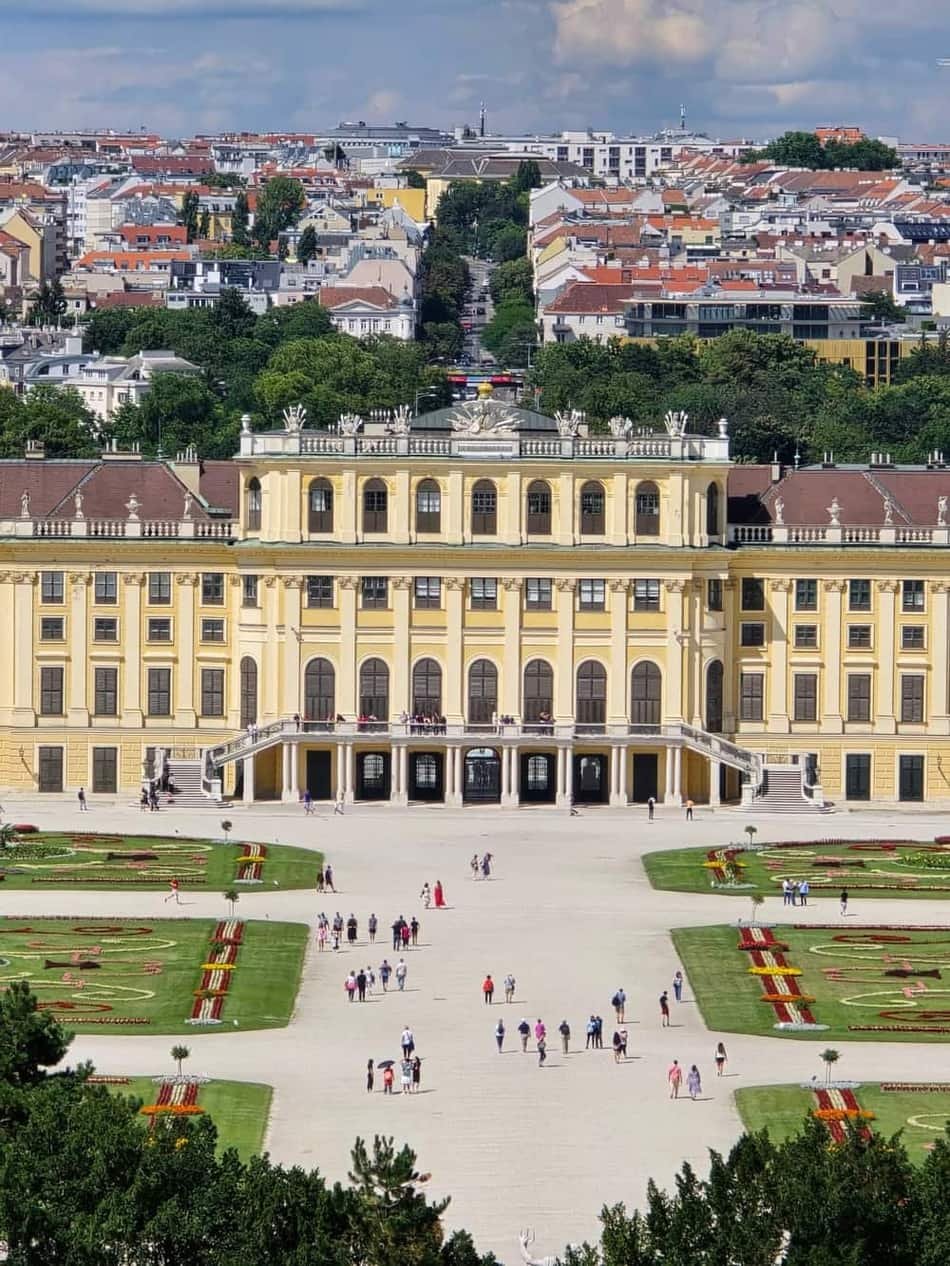
Schönbrunn is the dynasty at leisure. It was the summer residence, out in what was then the countryside and is now the 13th district, Hietzing. The rooms you walk through are Maria Theresa's rococo reception halls and the far plainer private apartments of Franz Joseph, who slept on an iron camp bed and was at his desk before five. The contrast is the point of the visit. But the palace interior is only a third of Schönbrunn. The park is free, opens at 06:30 and runs uphill to the Gloriette, the colonnade on the ridge from which you see the whole composition — palace, parterre, city — laid out the way the architects meant it to be seen. The zoo, founded in the eighteenth century inside the park, is the oldest in the world still operating, and the Palm House and maze turn the grounds into a day out rather than a tour.
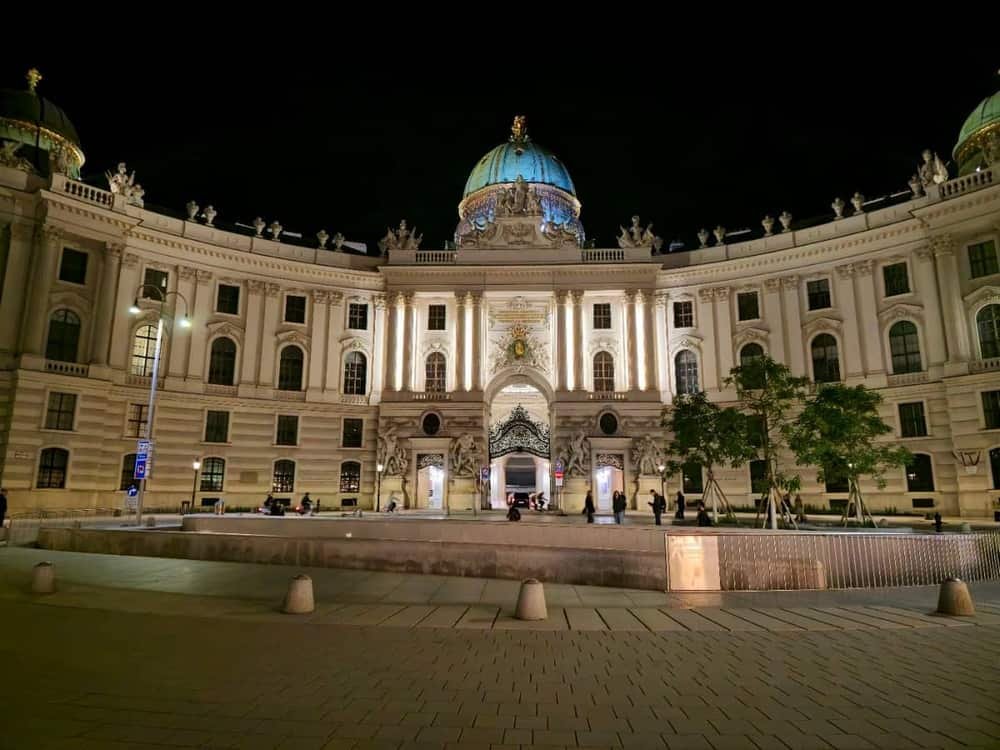
The Hofburg is the dynasty at work. This was the winter palace and the seat of government, and it grew wing by wing for centuries until it became a small city inside the city. It is not one museum but a district of them. The Sisi Museum and the Imperial Apartments are the headline, and they are honest about the Empress: the myth of the films sits beside the reality of a restless, unhappy woman who spent as little time here as she could. Across the courtyards, the Imperial Treasury holds the crown of the Holy Roman Empire, the State Hall of the National Library is one of the finest baroque rooms in Europe, and the Spanish Riding School still trains its white Lipizzaners under chandeliers. A short walk away, the Imperial Crypt under the Capuchin church is where the family ended up — Maria Theresa, Franz Joseph and Sisi among them.
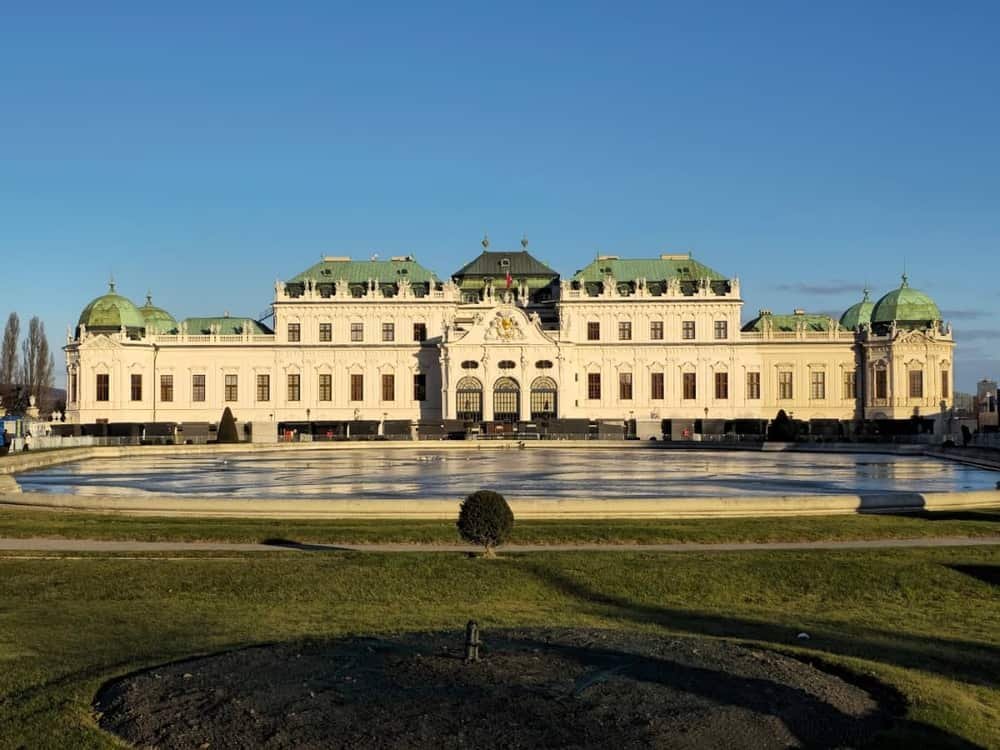
The Belvedere is not Habsburg at all. It was built for Prince Eugene of Savoy, the general who made Austria a great power, as a pair of summer palaces facing each other down a terraced garden in Landstraße. Today it is an art museum first. The Upper Belvedere holds the largest collection of Gustav Klimt's paintings anywhere, including The Kiss, alongside Egon Schiele and Oskar Kokoschka. The Lower Belvedere hosts temporary exhibitions in the prince's state rooms, and the gardens between them are free and open to anyone walking through.
How to see them without queuing
The single most useful fact: Schönbrunn and the Sisi Museum sell genuine online tickets only through imperialtickets.com, their own shop. Every other site is a reseller, sometimes at a mark-up and sometimes offering a guided tour on top — which can be worth it, but you should know what you are buying. Both work on fixed time slots, so the queue you want to avoid is not at the door but in the booking calendar. In summer and at Christmas the morning slots at Schönbrunn go days ahead.
The second: go at opening. Coach groups plan around a late-morning palace and a lunch, so the first slot at Schönbrunn and the 09:00 opening of the Upper Belvedere are consistently the quietest hours. The Treasury and the State Hall of the library rarely have real queues at any time.
The third: passes only pay if you use them. The Sisi Pass (Schönbrunn, the Sisi Museum and the Furniture Museum) makes sense for a devotee with three days; the Classic Pass at Schönbrunn bundles the palace with the garden attractions. For a single morning, a single ticket is cheaper. Visitors under 19 enter the Belvedere free, as with Austria's other federal museums.
The fourth: pair each palace with its neighbourhood, not with another palace. Schönbrunn combines naturally with a slow lunch in Hietzing and nothing else that day. The Hofburg sits between the Stephansdom and the great coffee houses of the Innere Stadt, so it slots into a morning in the centre. The Belvedere is a ten-minute walk from the Hauptbahnhof, which makes it the ideal first or last stop of a trip. Two palaces in one day is possible; three is a way of seeing none of them properly.
When there is time for more
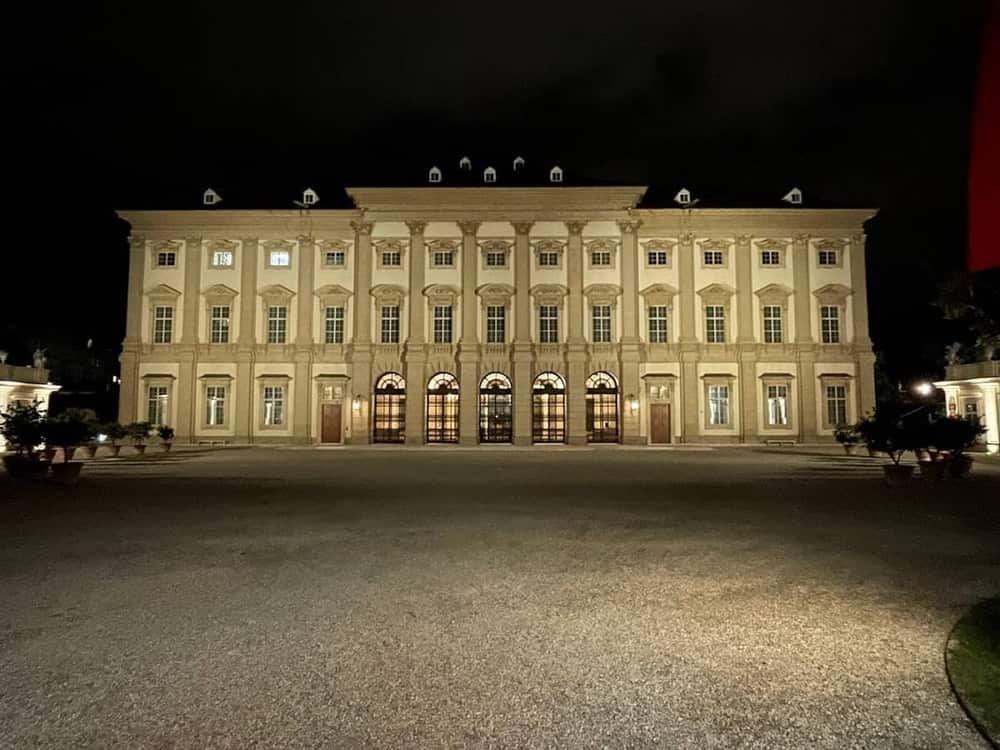
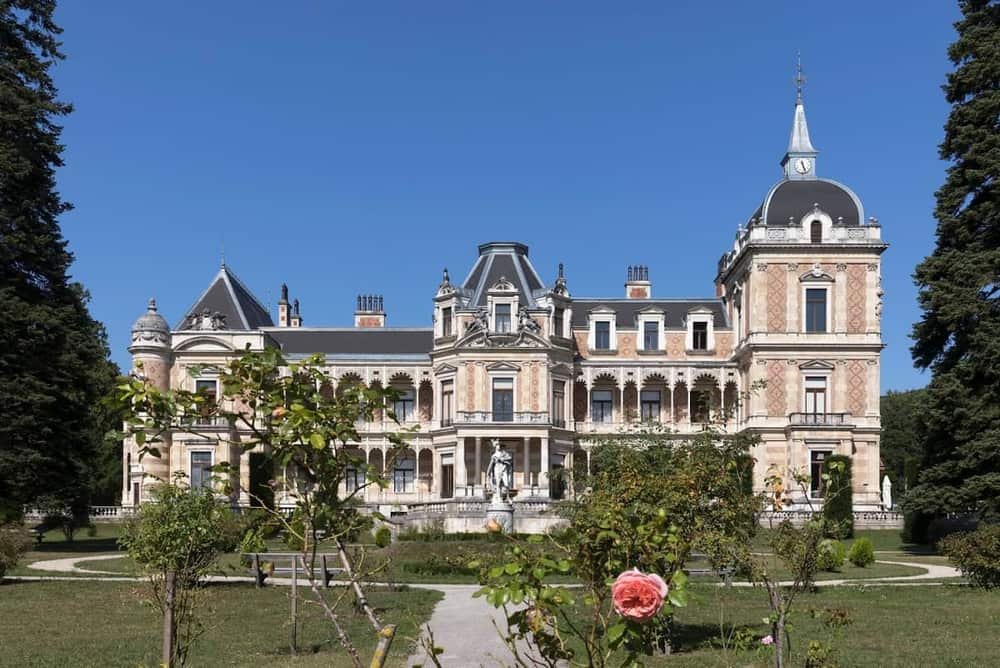
The Liechtenstein Garden Palace in Alsergrund is the connoisseur's choice: a princely baroque palace still in family hands, with an extraordinary private collection, opened mainly on guided tours on selected dates. The Hermesvilla, which Franz Joseph built for Elisabeth inside the Lainzer Tiergarten forest reserve, is the most intimate imperial house in Vienna — and the walk there through the woods is half the pleasure.
Prices on this page were checked on the official sites in September 2026. Opening hours change seasonally; confirm before you travel.