 Historic
Café Central
Innere Stadt4.3(30,411)out of 5 on Google€€€€
☕ The city's signature
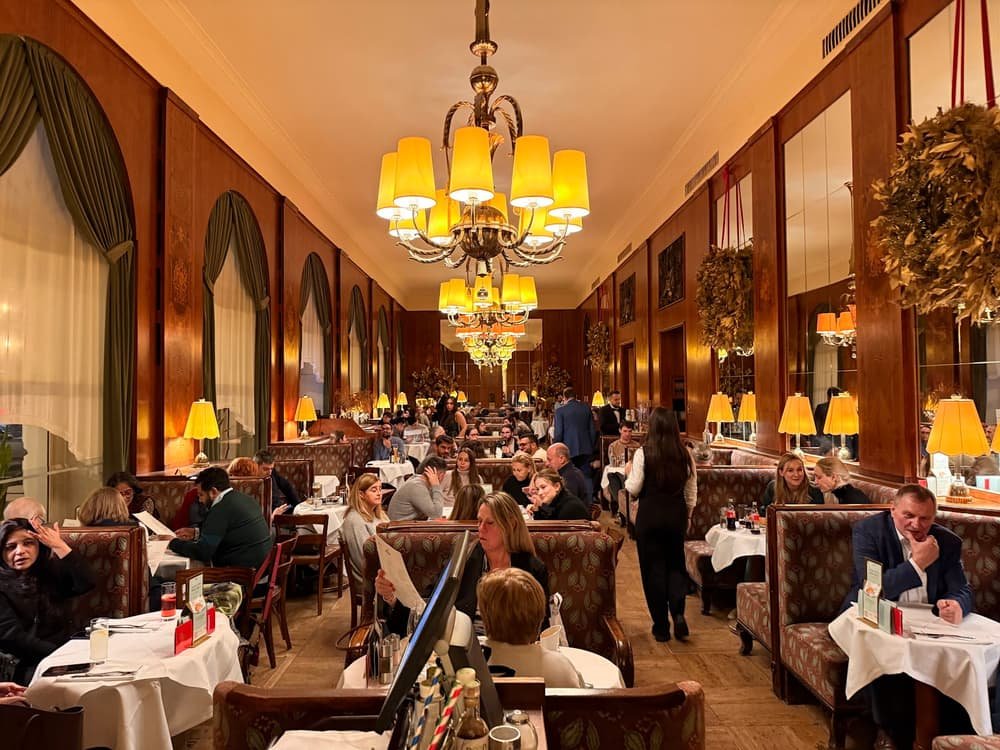
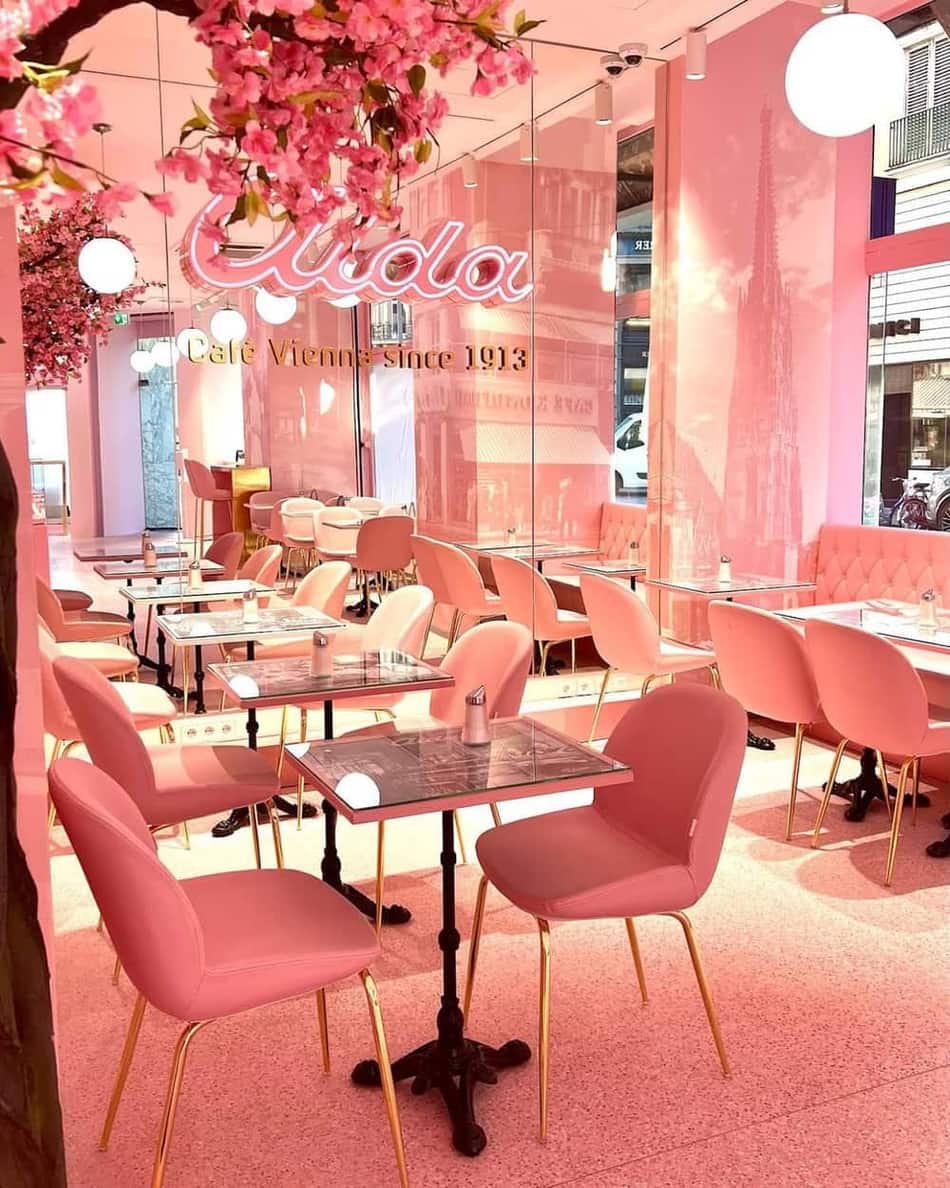
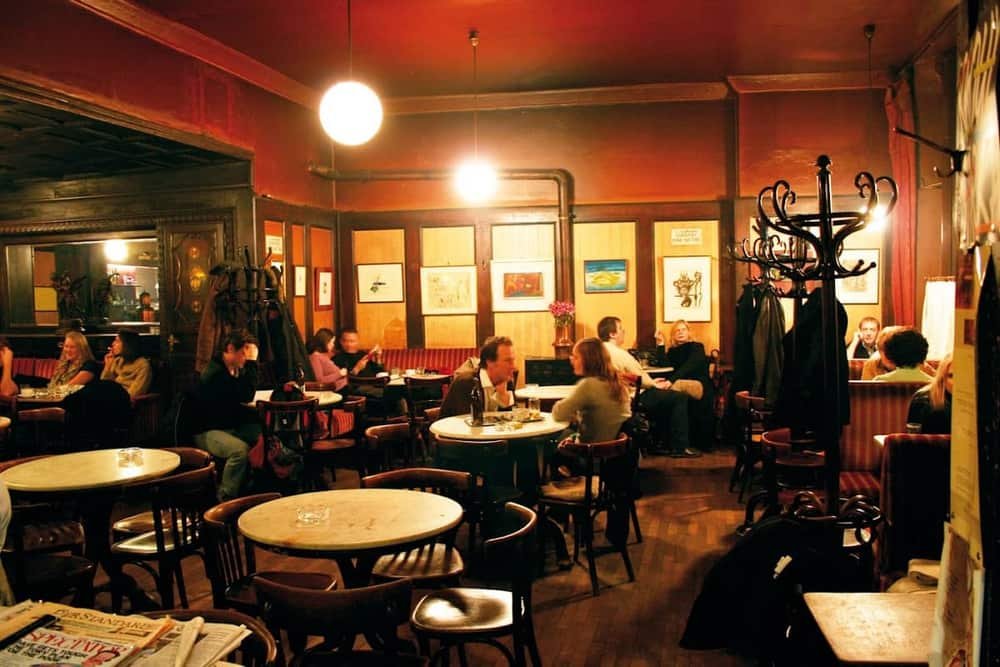
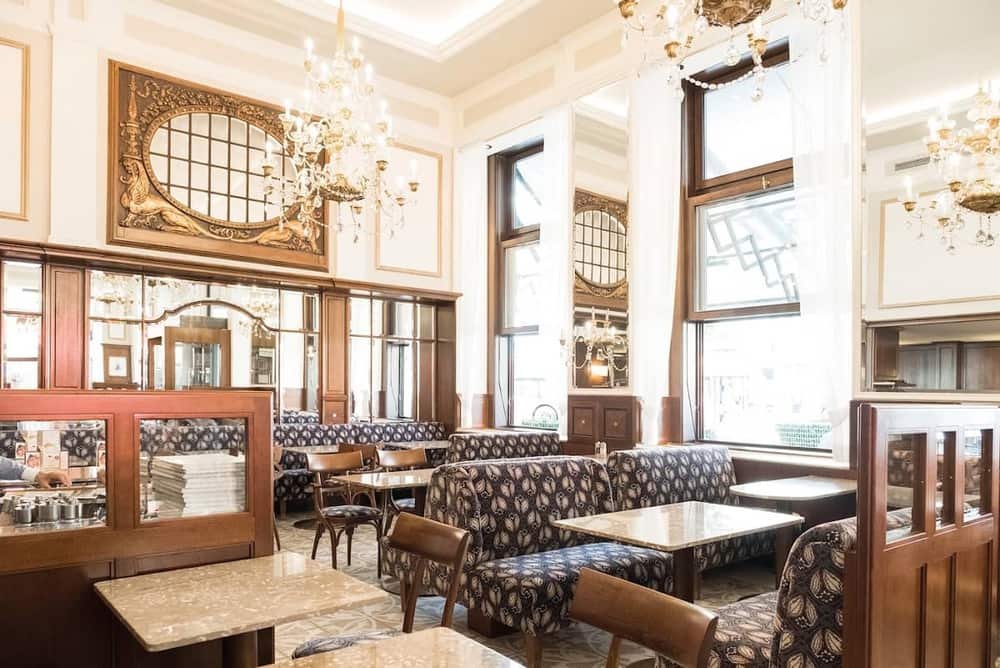
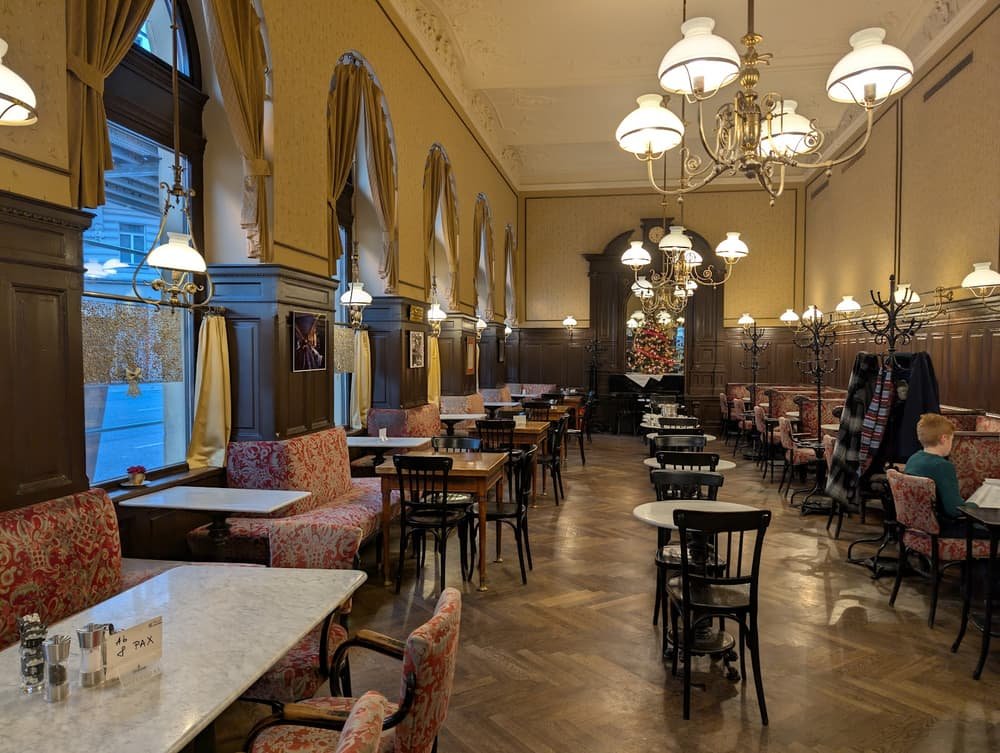
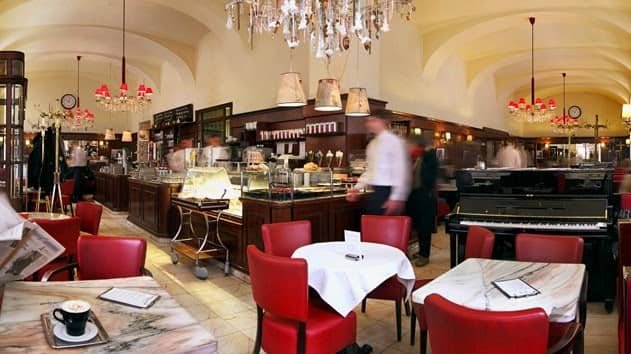
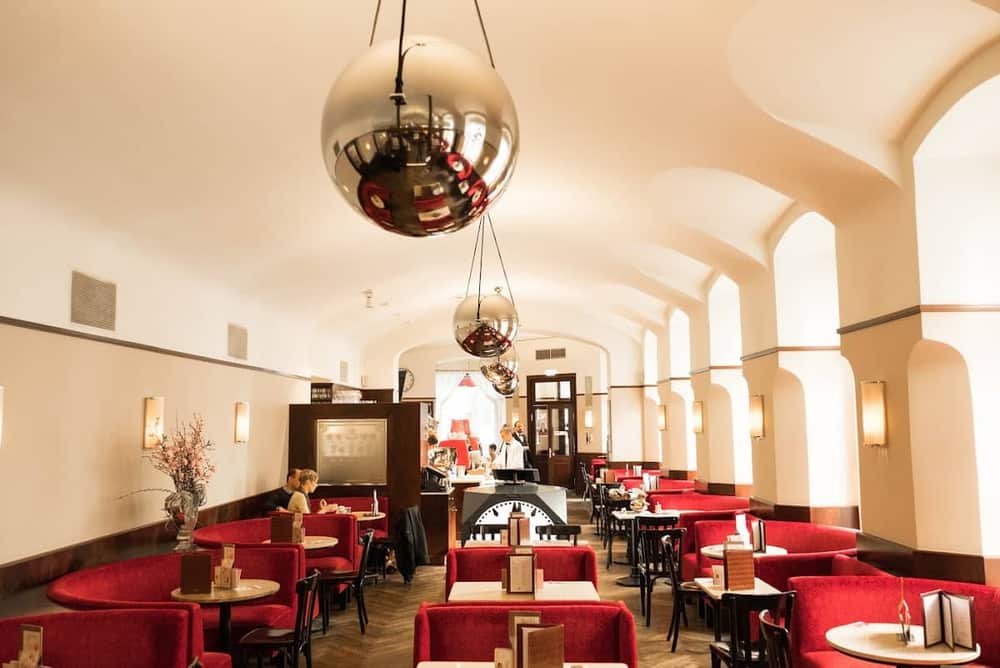
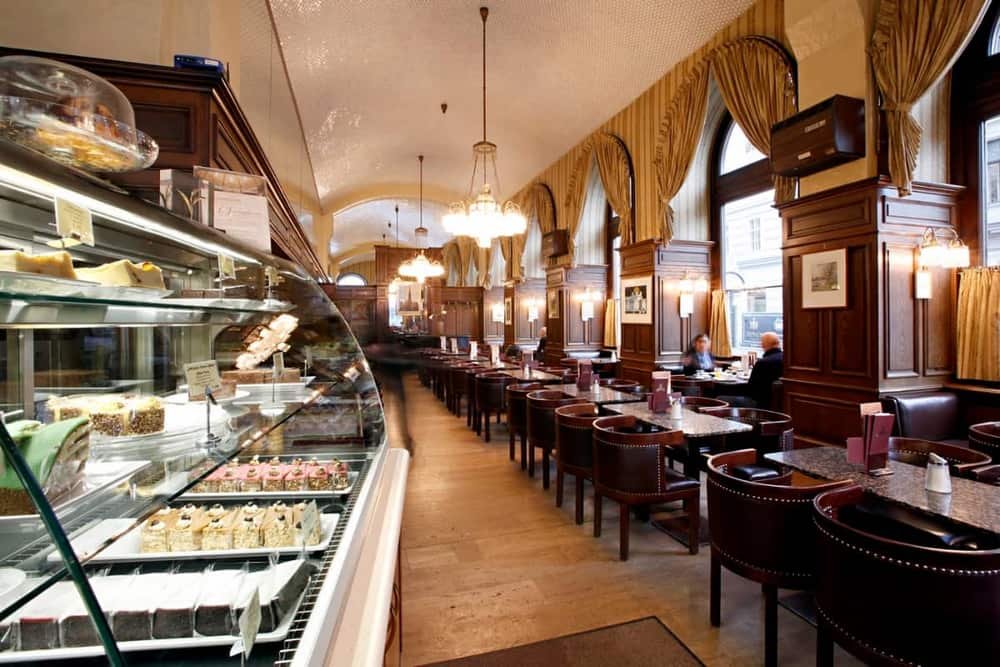
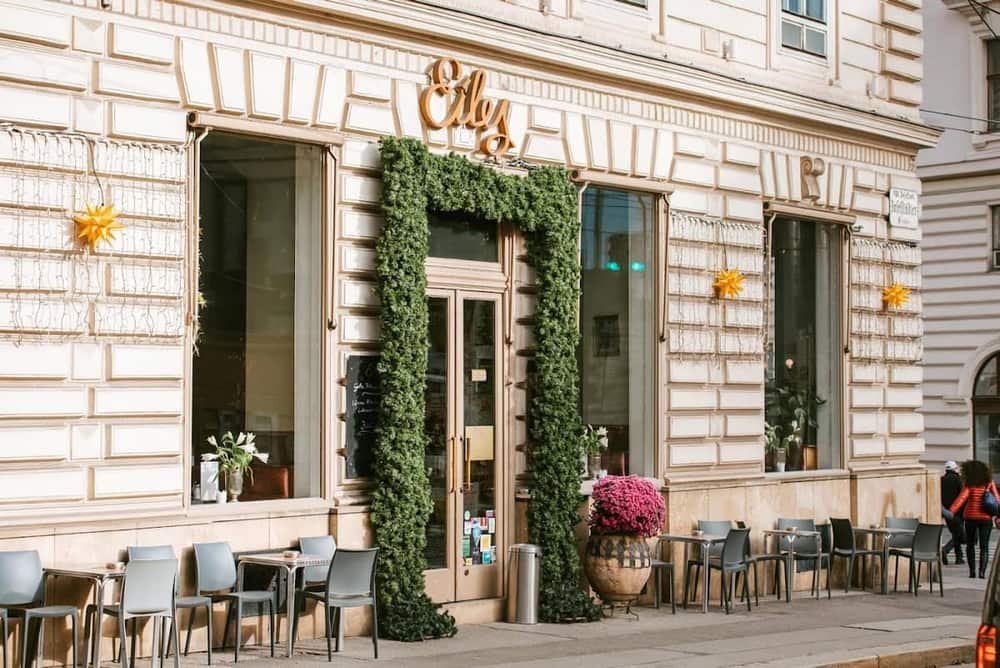
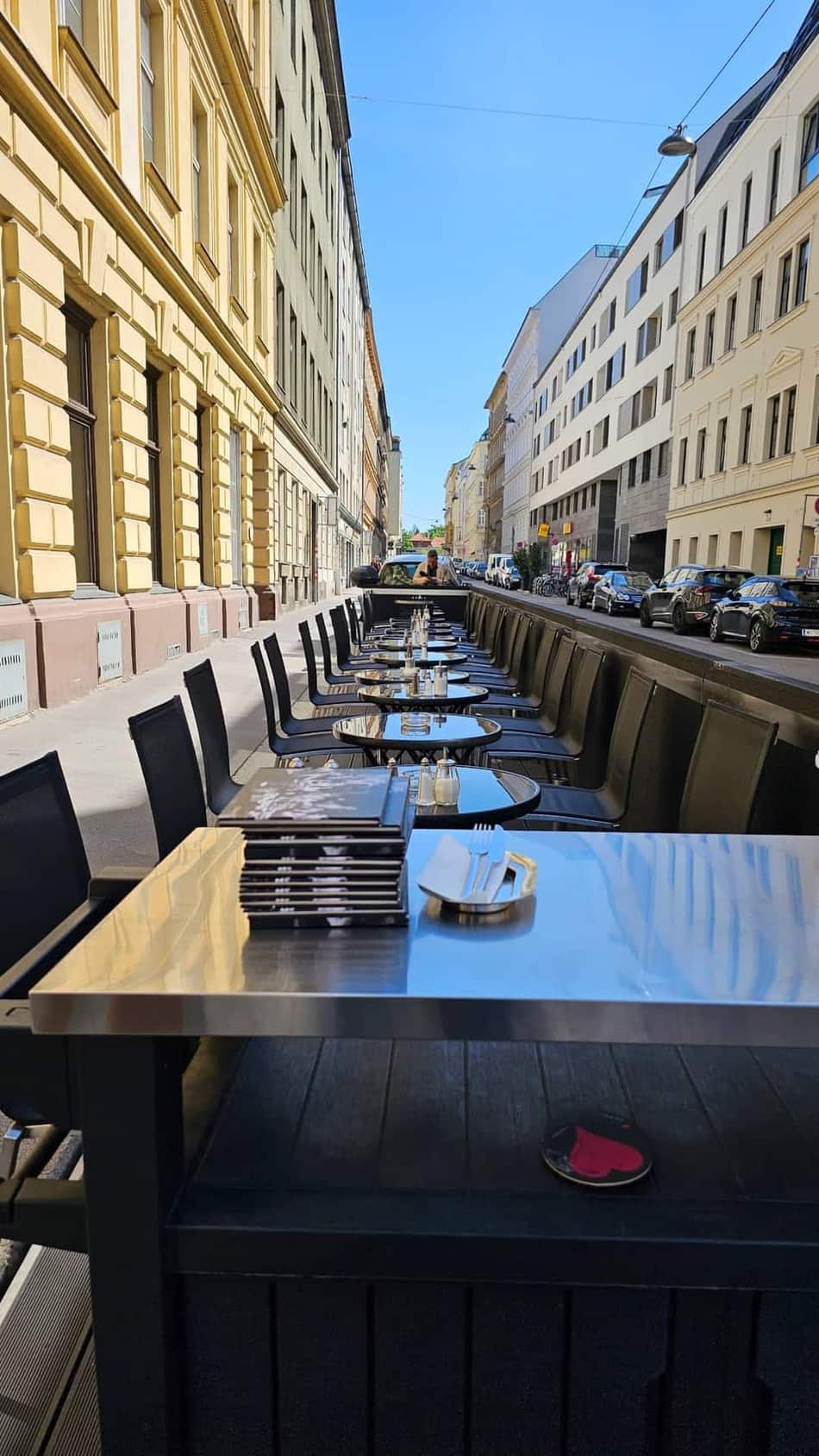
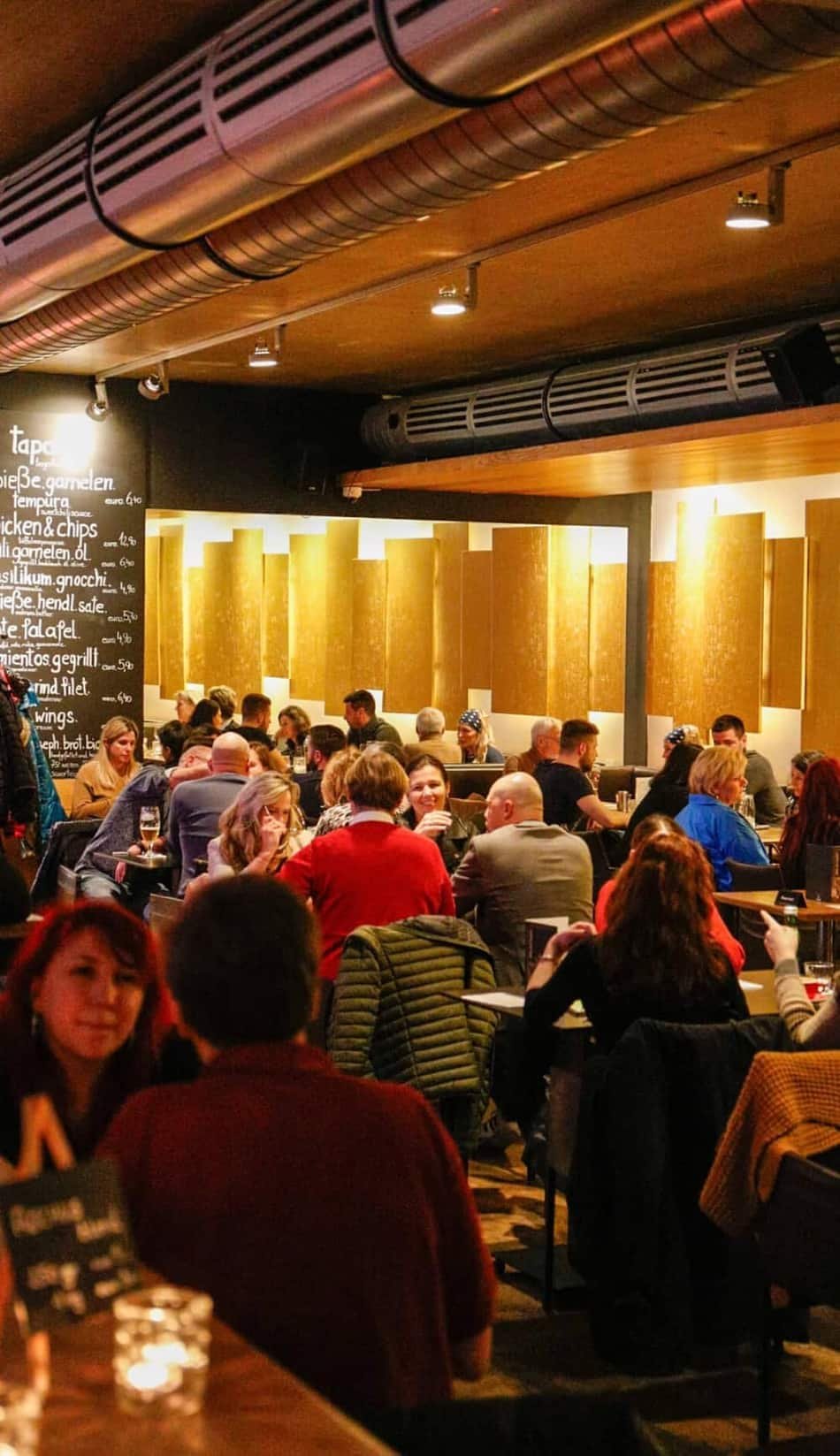
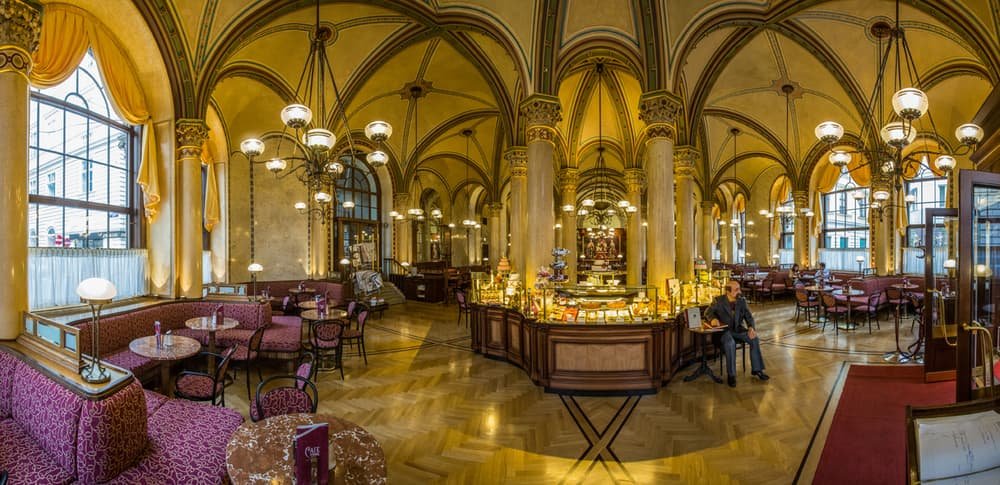
Marble tables, bentwood chairs, newspapers on wooden holders and a waiter in a black jacket who will let you sit for three hours over one Melange. Austria entered Viennese coffee-house culture on its national inventory of intangible cultural heritage in 2011, and the rooms that earned it are still pouring — alongside the imperial confectioners and a sharp new speciality scene.
They are not interchangeable, and the famous name is not always the best hour.
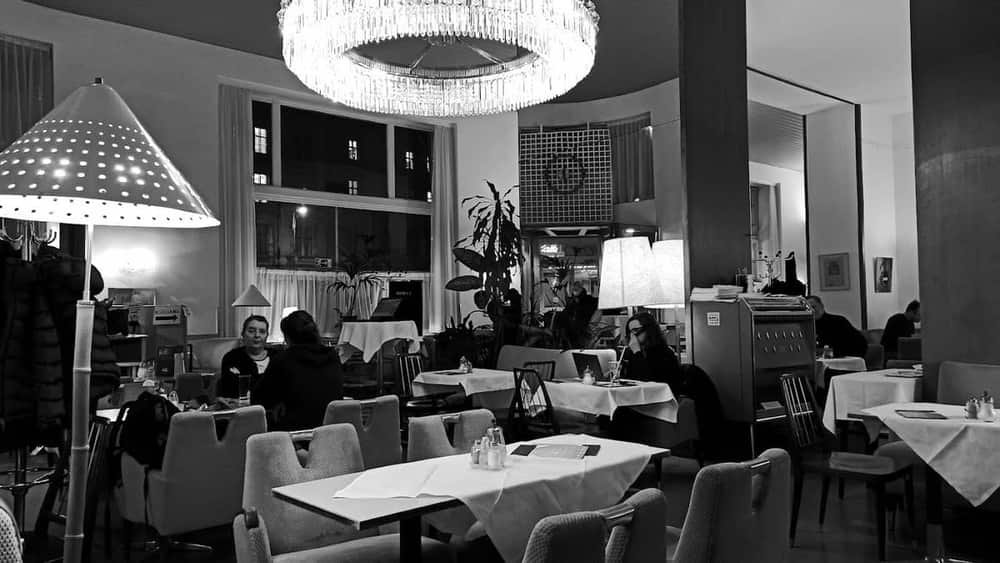
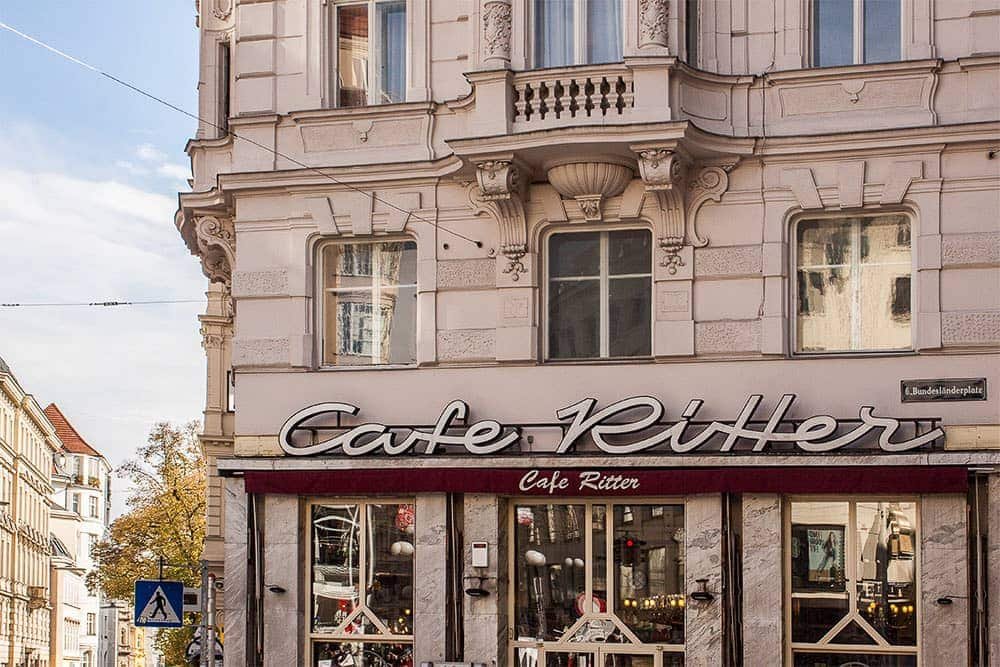
The grand Ringstrasse rooms. Café Landtmann (1873), next to the Burgtheater, is where Freud took his coffee and still a favourite of politicians and journalists. Café Schwarzenberg (1861) calls itself the oldest café on the Ring. Café Prückel (1903) keeps its 1950s interior and a local crowd.
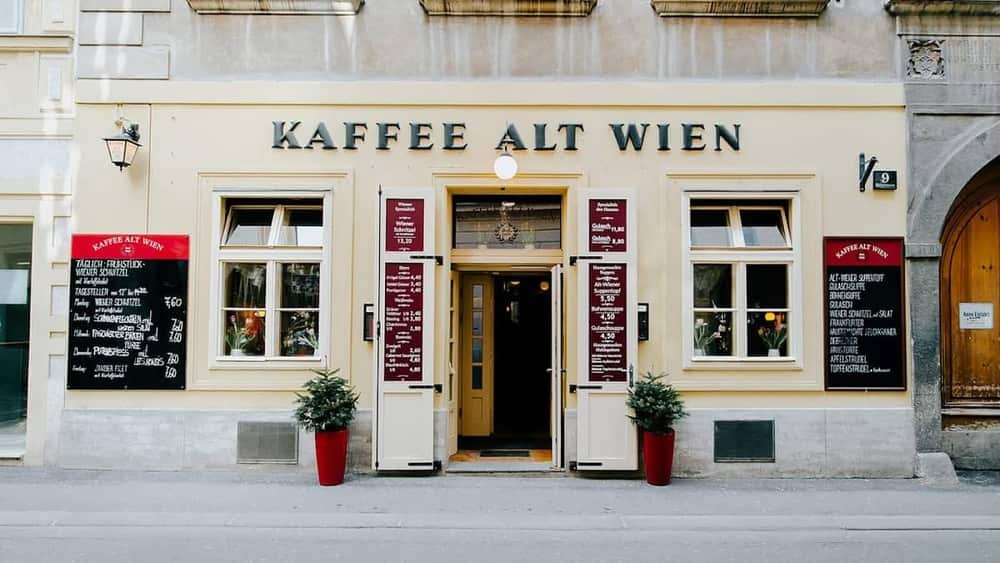
The ones with a story. Café Sperl (1880) has billiard tables and appeared in *Before Sunrise*; note that it closes on Sundays in July and August. Café Hawelka, opened in 1939 by Leopold and Josefine Hawelka, is dark, crowded, open late and famous for its Buchteln. Café Museum (1899) had an interior by Adolf Loos and Klimt among its regulars. Café Frauenhuber (1824) claims to be the oldest of them all, and Café Bräunerhof, Thomas Bernhard's café, reopened under new management in June 2026.
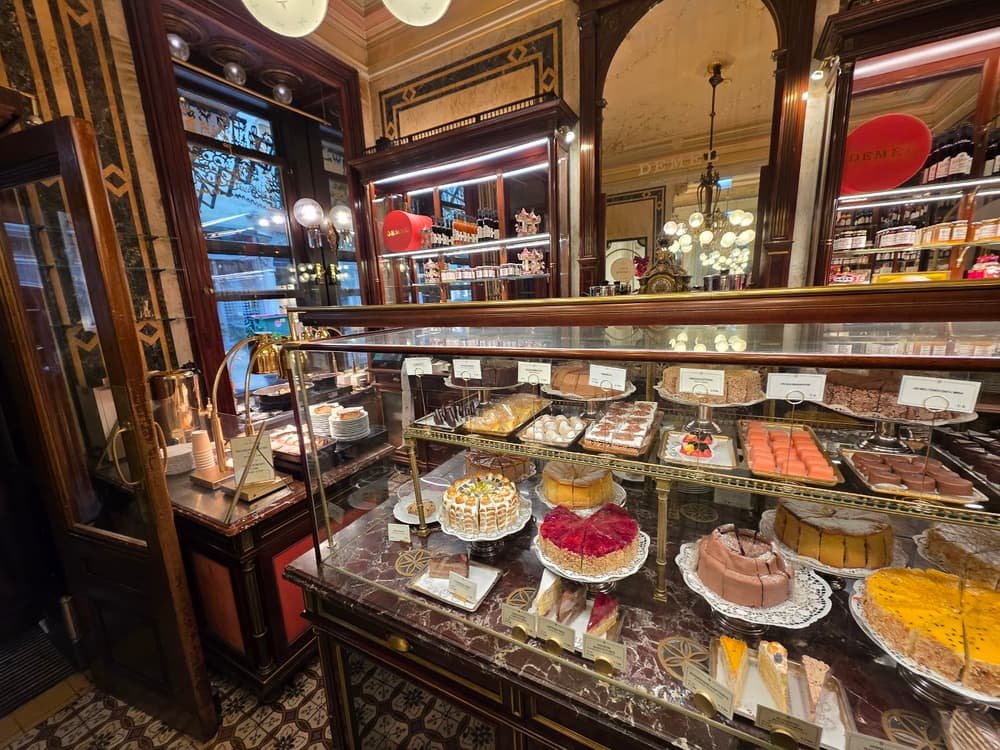
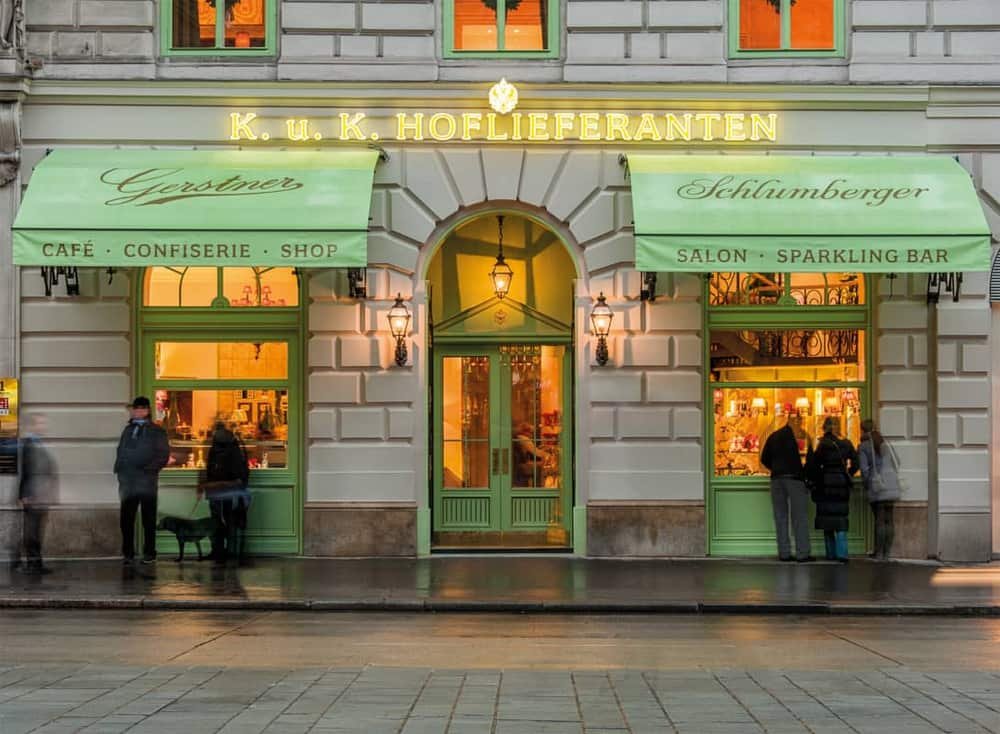
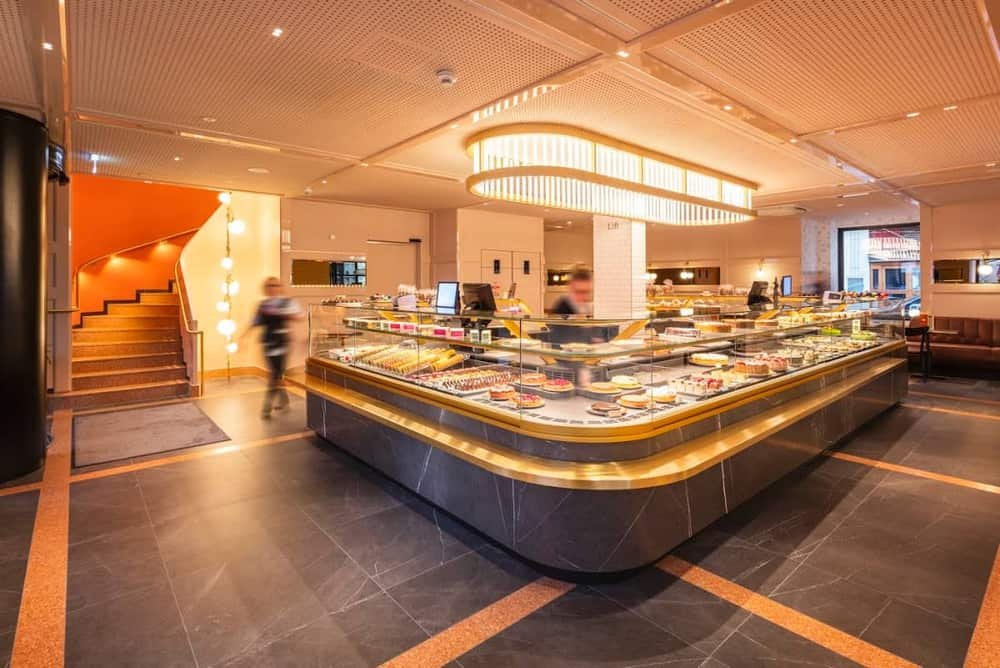
The confectioners. Demel, the former imperial court confectioner founded in 1786, on the Kohlmarkt, where you can watch the pastry being made through the glass; Gerstner (1847) on Kärntner Straße.
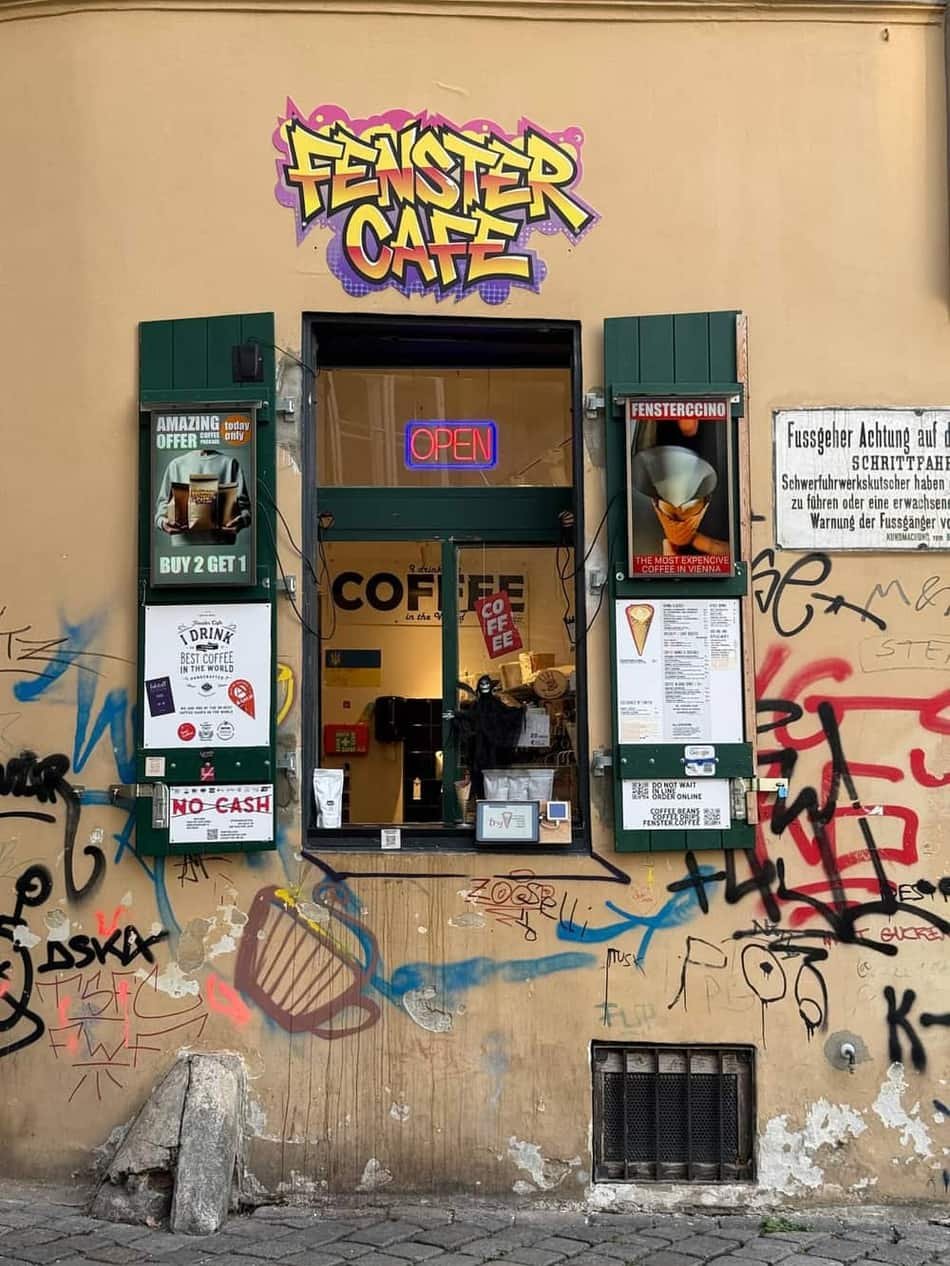
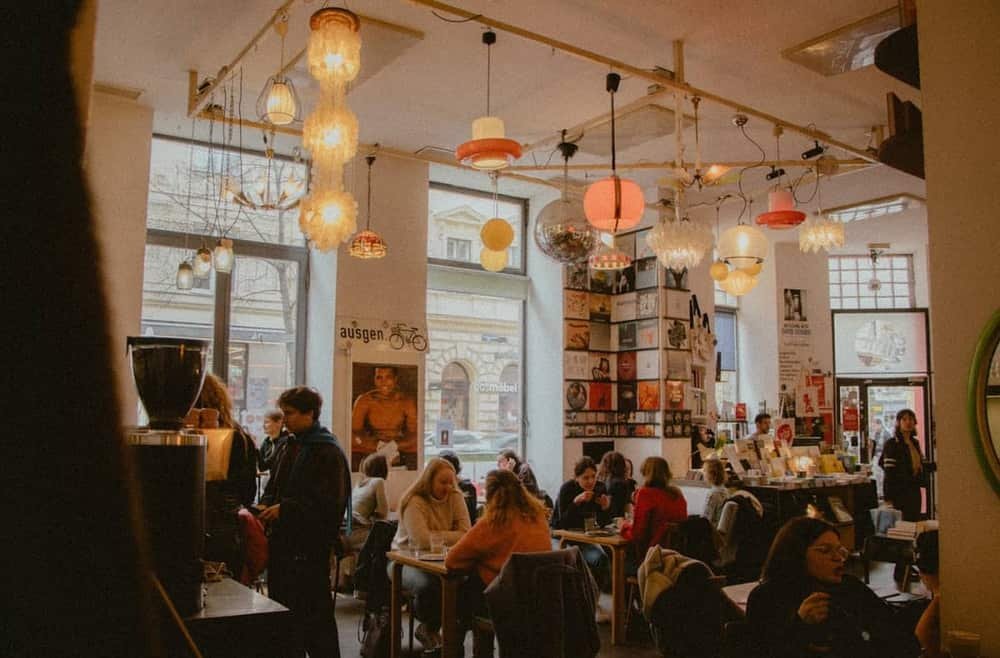
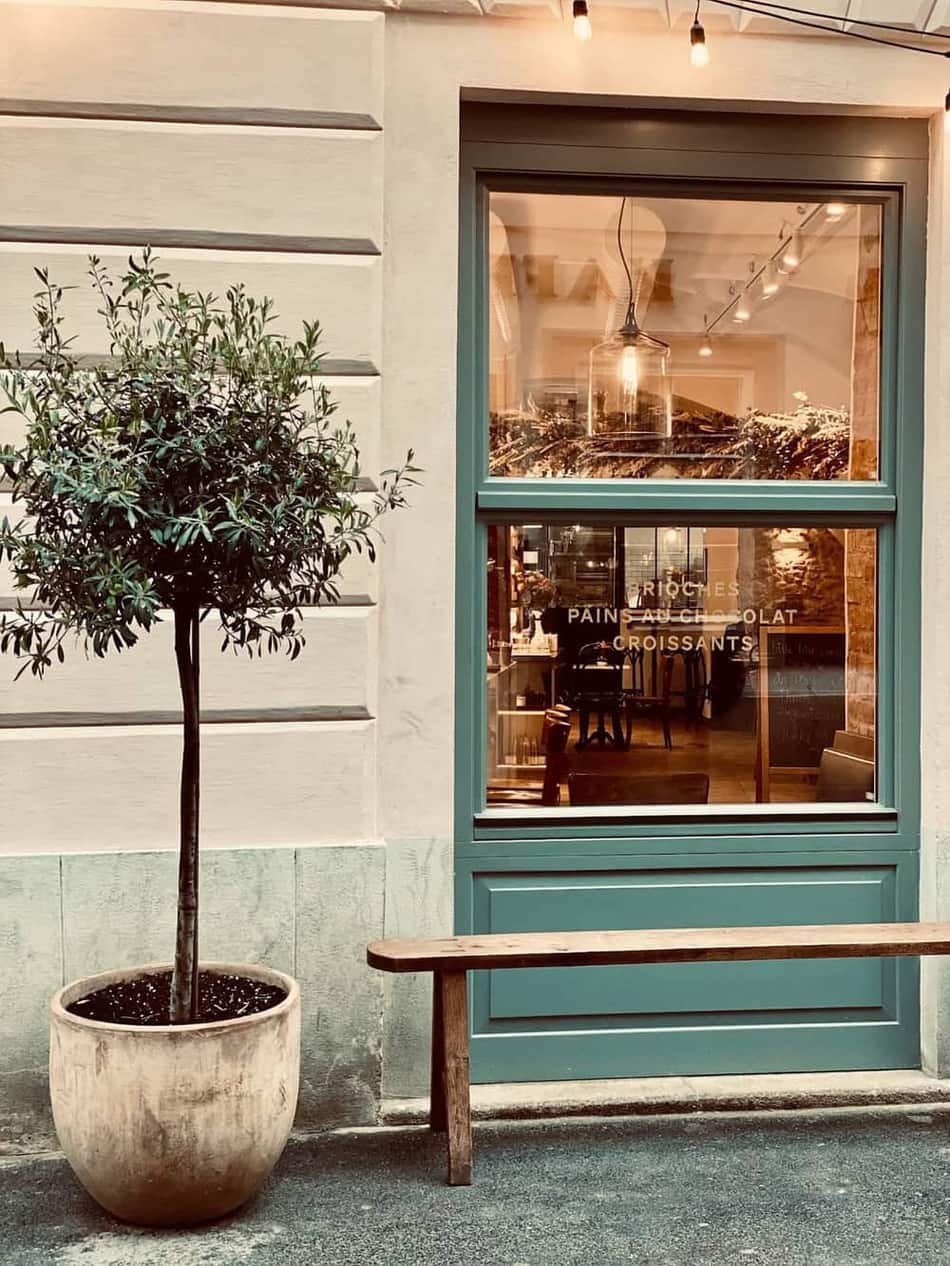
The new wave. Kaffeefabrik, CoffeePirates, Jonas Reindl and People on Caffeine roast and pour at a level the old houses do not try to match. Small rooms, serious cups.
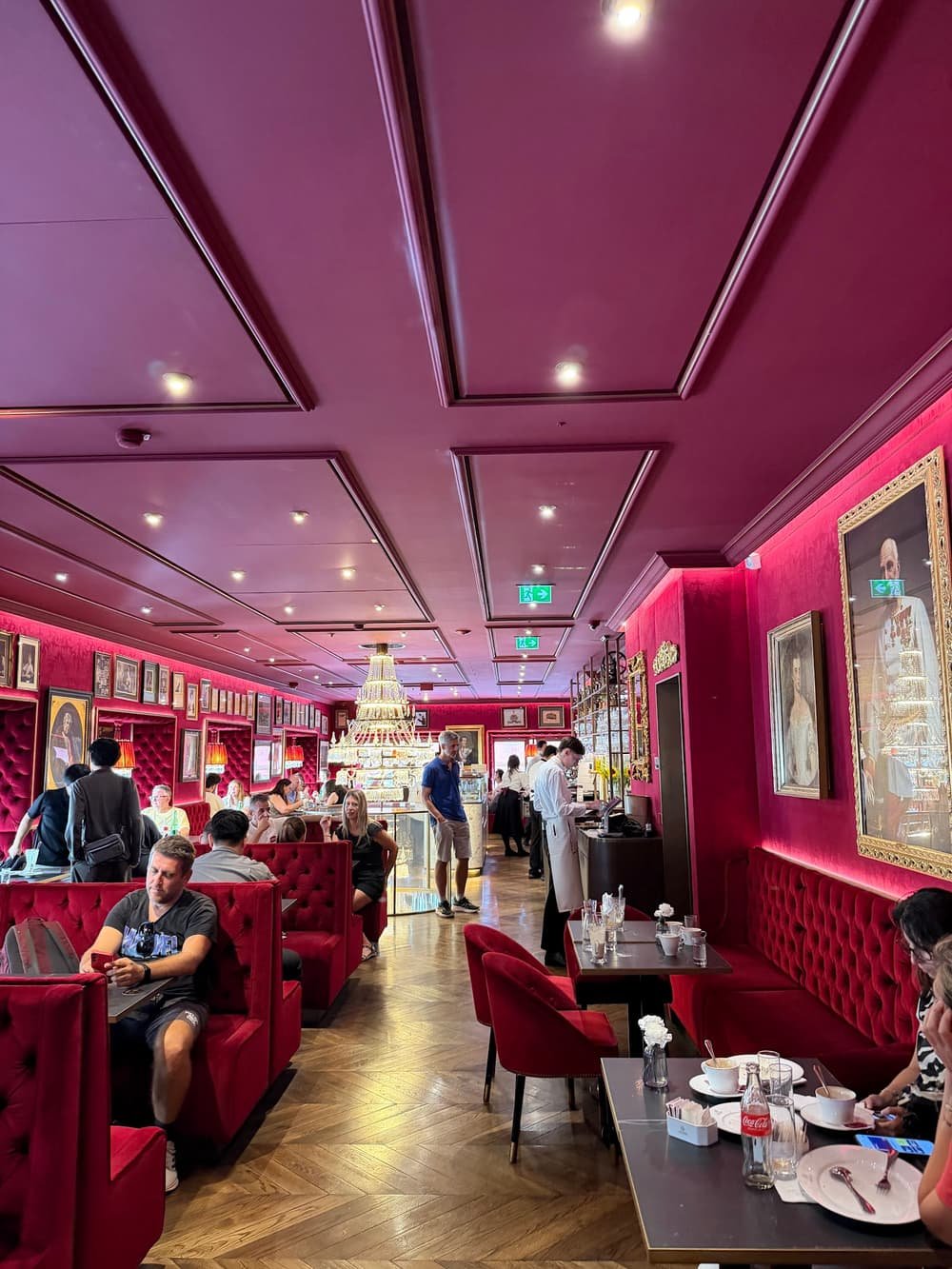
Café Central is closed. The most famous room of all, in Palais Ferstel, has been shut for renovation since 16 March 2026, with reopening announced for winter 2026; a pop-up called DECENTRAL runs meanwhile at Freyung 3. When it reopens, expect the queue that made it famous — go at opening time.
The Sachertorte debate. Café Sacher and Demel fought in court for years over the "Original" Sachertorte; the settlement left Sacher with the word *Original* and Demel with its *Eduard-Sacher-Torte*. The practical difference is where the apricot jam goes. The queue on Philharmoniker Straße is for the name; Demel's slice comes with less waiting.
Sit wherever is free, and do not wait to be seated. A glass of water comes with your coffee. Order a Melange (the Viennese answer to a cappuccino), a Verlängerter (espresso lengthened with hot water) or an Einspänner (strong black coffee under whipped cream, served in a glass). You are paying for the room as much as the cup, and nobody will hurry you out of it.
Live prices and availability on a map centred on this exact spot — hotels, apartments and hostels, so you can judge the walk from here rather than guess from an address.
Bookings made through this map earn us a commission. Your price is unaffected.
Café Central — but it has been closed for renovation since 16 March 2026, with reopening announced for winter 2026 and a pop-up called DECENTRAL at Freyung 3 in the meantime. While it is shut, Café Landtmann, Café Sperl and Café Hawelka are the classic alternatives.
It was added in 2011 to Austria's national inventory of intangible cultural heritage, kept under the UNESCO convention. That is a national listing — it is not a UNESCO World Heritage Site.
Café Sacher for the Original Sacher-Torte and the name, Demel for the rival Eduard-Sacher-Torte with less queuing. Try both if you can; the argument is half the fun.
The My Cities collection
Vienna, Budapest and Prague are the classic Central European trio, a train ride apart — and Bucharest is where many of our readers start from. Same format, same honesty about the money, written city by city.
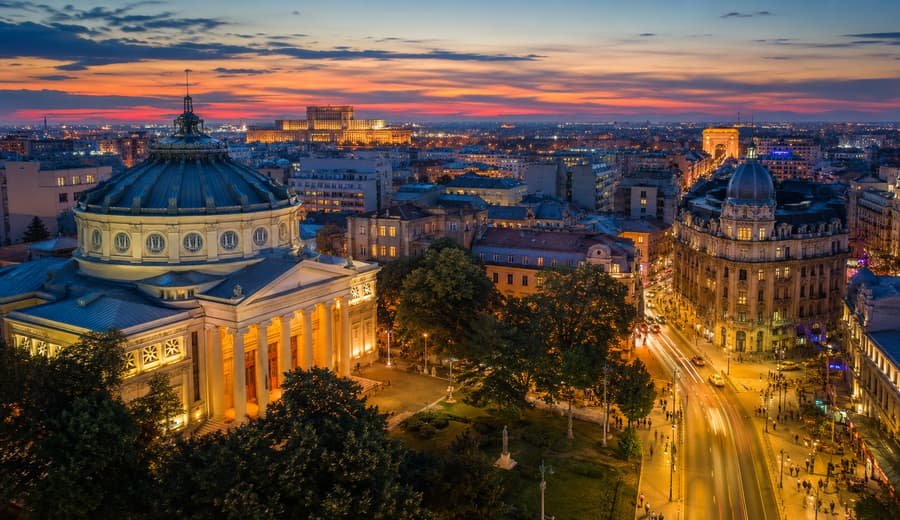 Bucharest
 The capital of Romania, decoded — the Old Town, the Athenaeum, the Palace of the Parliament, the lakeside parks and a food scene that has quietly become one of the region's best.Open the guide · MyBucuresti.online →
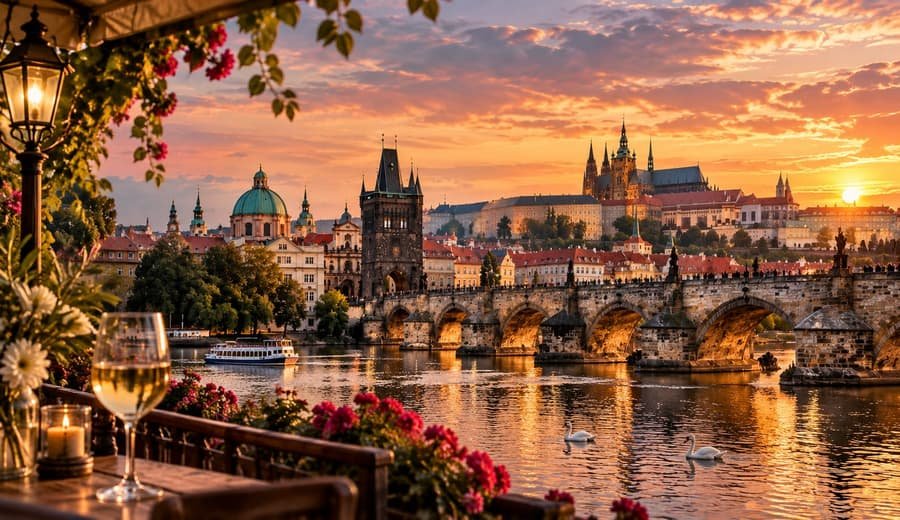 Prague
 The Castle, Charles Bridge, the historic beer halls and the grand cafés — the same honest, checked format for the golden city on the Vltava.Open the guide · MyPrague.online →
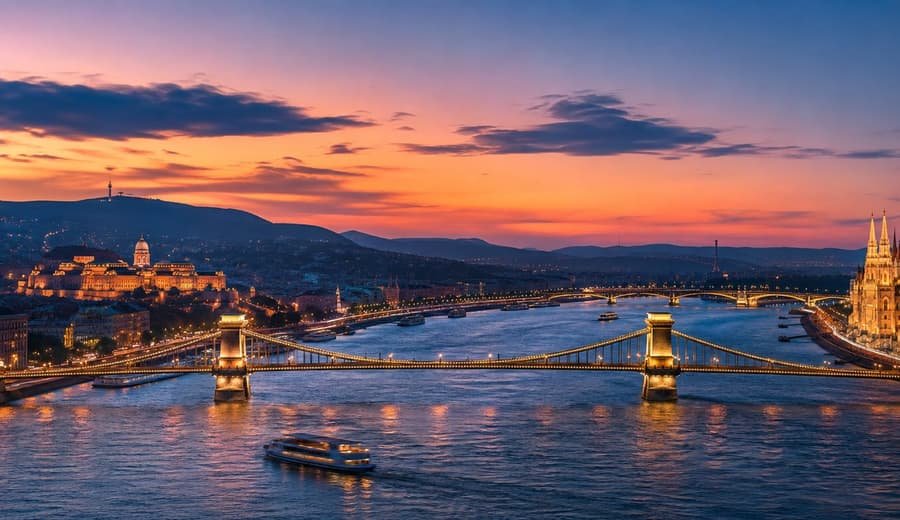 Budapest
 Thermal baths, ruin bars and the Danube panorama from the Fisherman's Bastion — the complete guide to the grand city on the Danube.Open the guide · Visit-Budapest.online →