The mental map
Vienna's districts explained
Vienna has 23 numbered districts — Bezirke — and unlike most capitals, people really use the numbers: ask a Viennese where they live and the answer is "in the Seventh". These are the districts a visitor actually spends time in, from the old city inside the Ring to the wine villages and the Danube beyond it.
The historic city — the right bank of the Danube
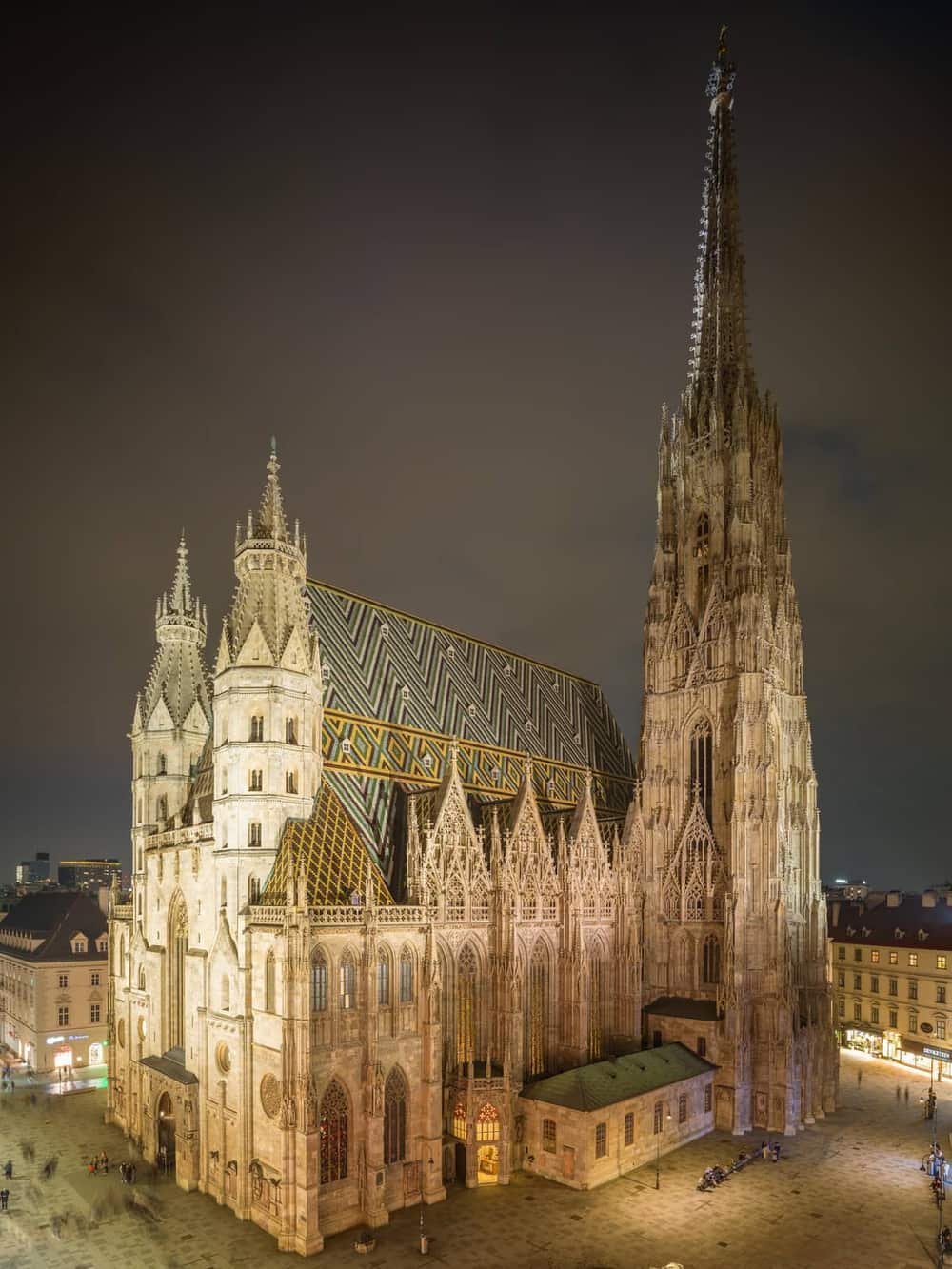 1st districtInnere Stadt — Old TownThe imperial core inside the Ring: St. Stephen's Cathedral, the Hofburg, the Opera and the grand coffee houses, all within a twenty-minute walk.252 places
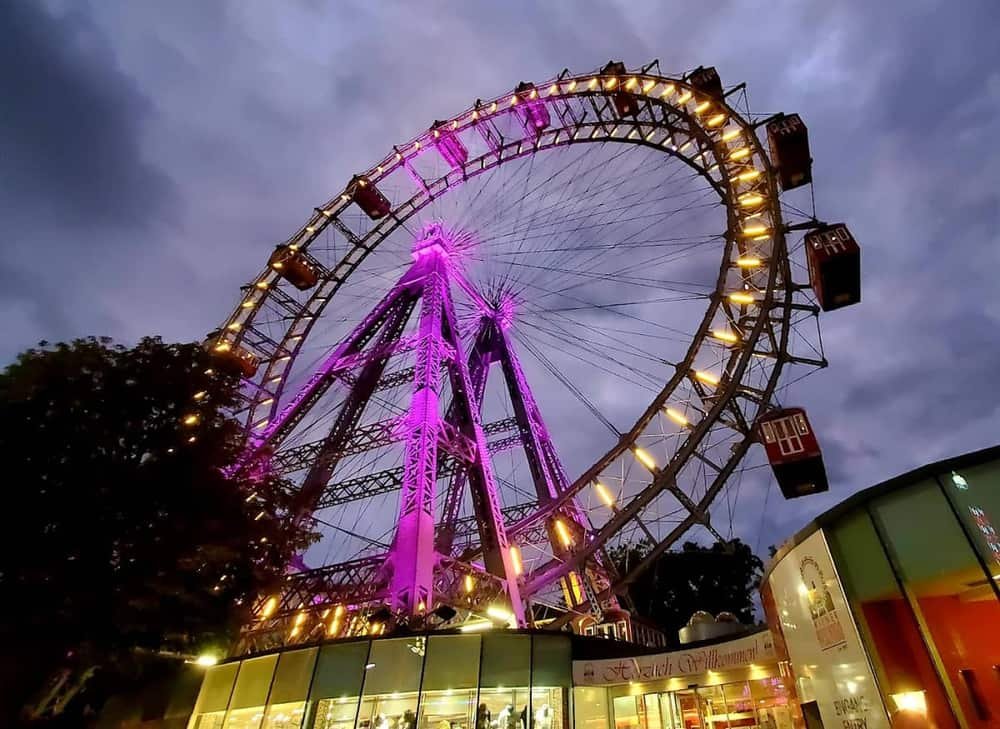 2nd districtLeopoldstadt & the PraterAcross the Danube Canal: the Giant Ferris Wheel, the green miles of the Prater, the Karmelitermarkt and the old Jewish quarter.102 places
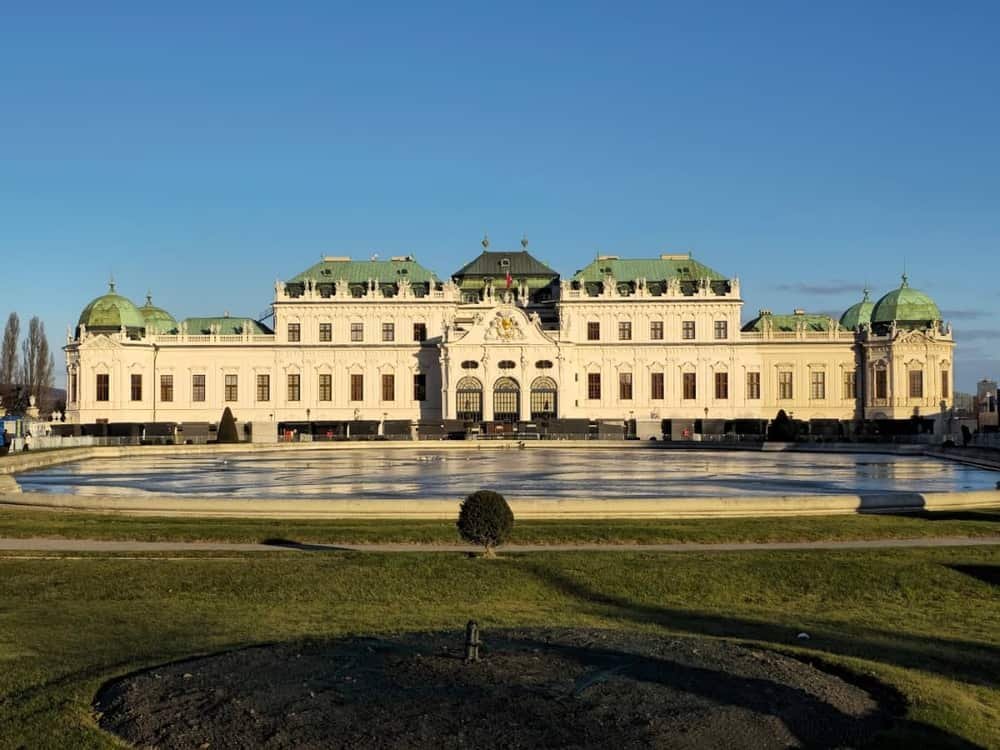 3rd districtLandstraße & BelvedereBelvedere and Klimt's The Kiss, the Hundertwasserhaus, the Stadtpark's golden Strauss and the embassy quarter.81 places
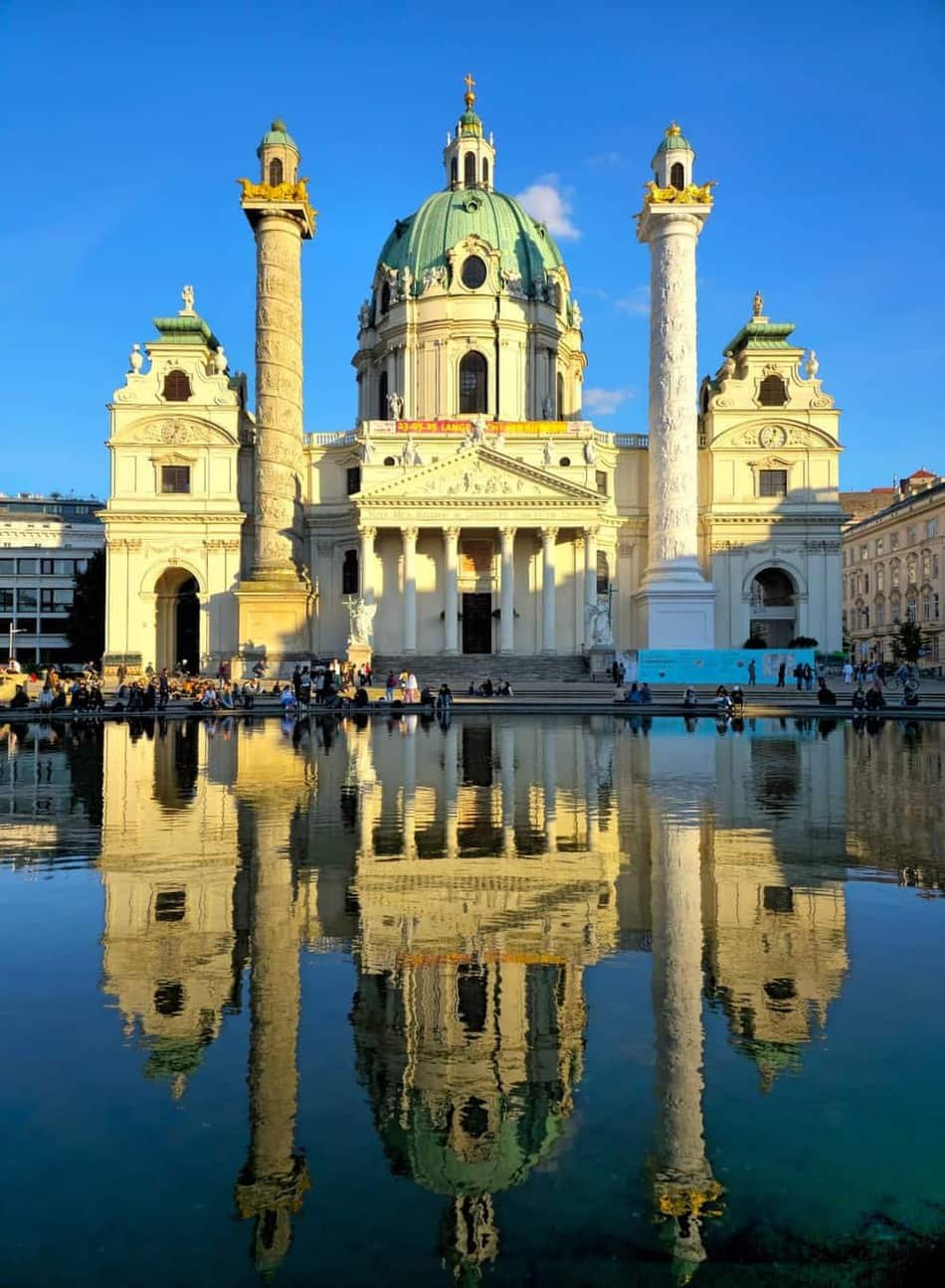 4th districtWieden & KarlsplatzKarlskirche's green dome, the Musikverein, the Secession and Freihaus — the elegant quarter just south of the Opera.47 places
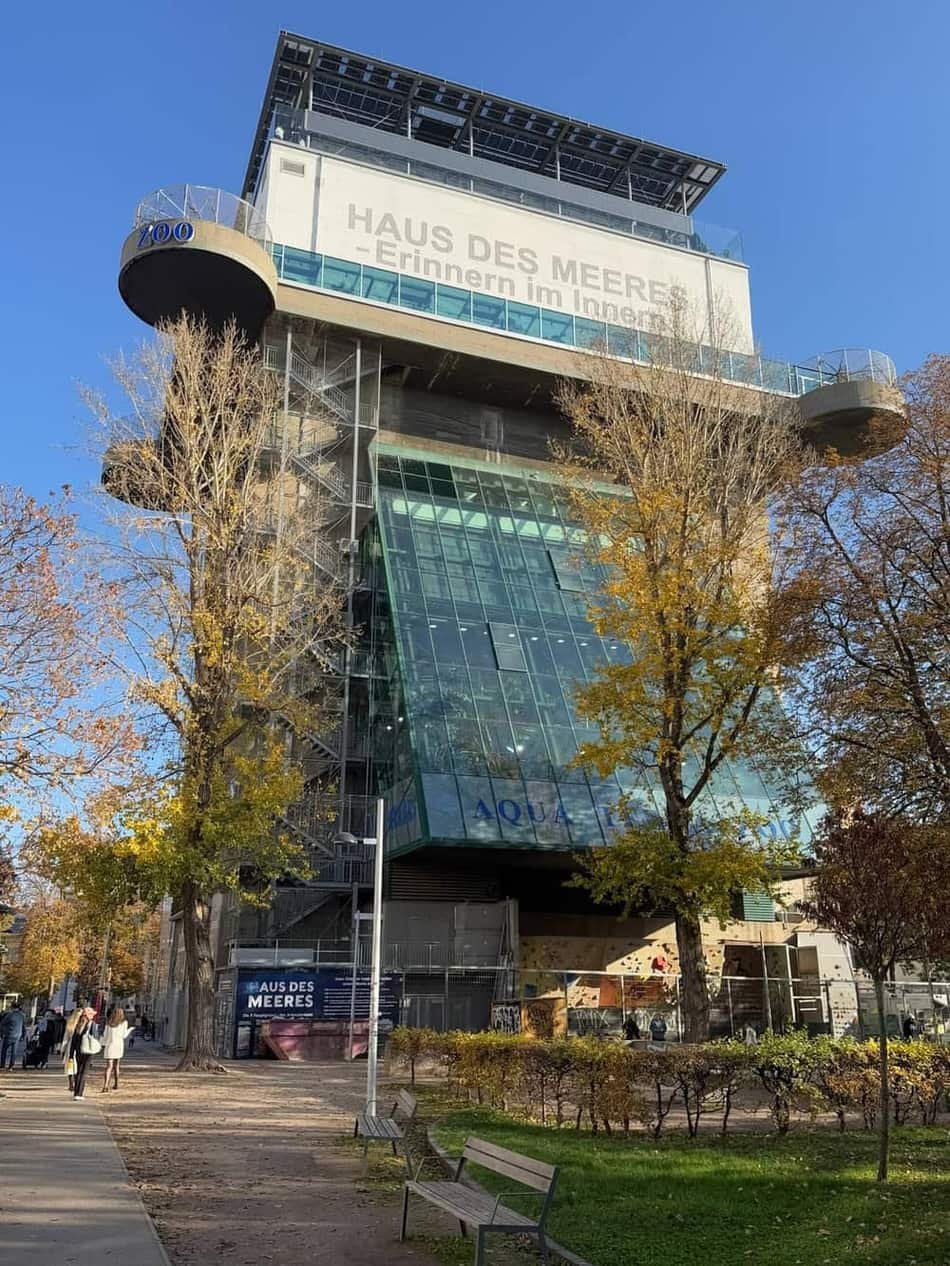 6th districtMariahilf & NaschmarktThe Naschmarkt's mile of stalls, the Otto Wagner houses, Theater an der Wien and Vienna's longest shopping street.55 places
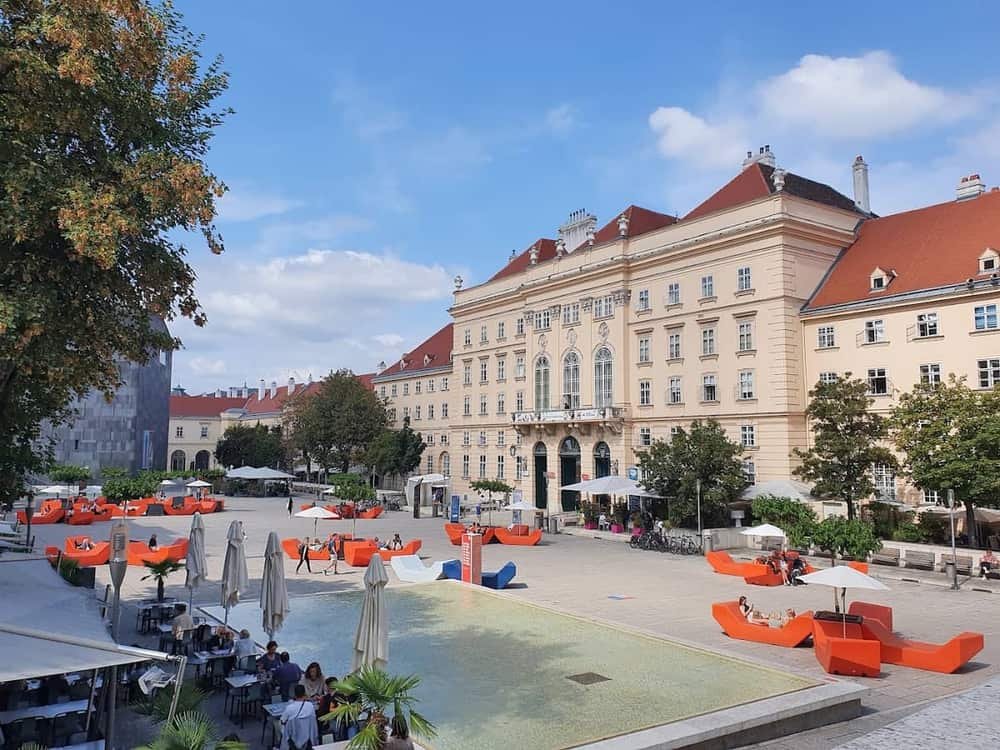 7th districtNeubau & MuseumsQuartierThe MuseumsQuartier courtyards, Spittelberg's Biedermeier lanes and the city's best independent shops, cafés and bars.81 places
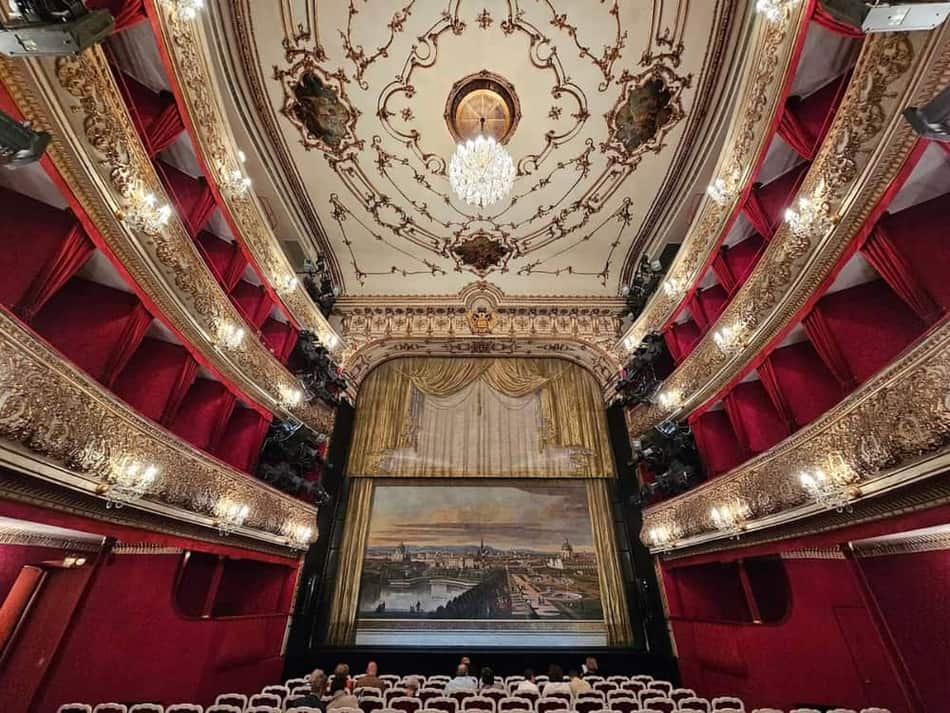 8th districtJosefstadtVienna's smallest district: a quiet theatre-and-bookshop quarter of Biedermeier courtyards behind the Rathaus.54 places
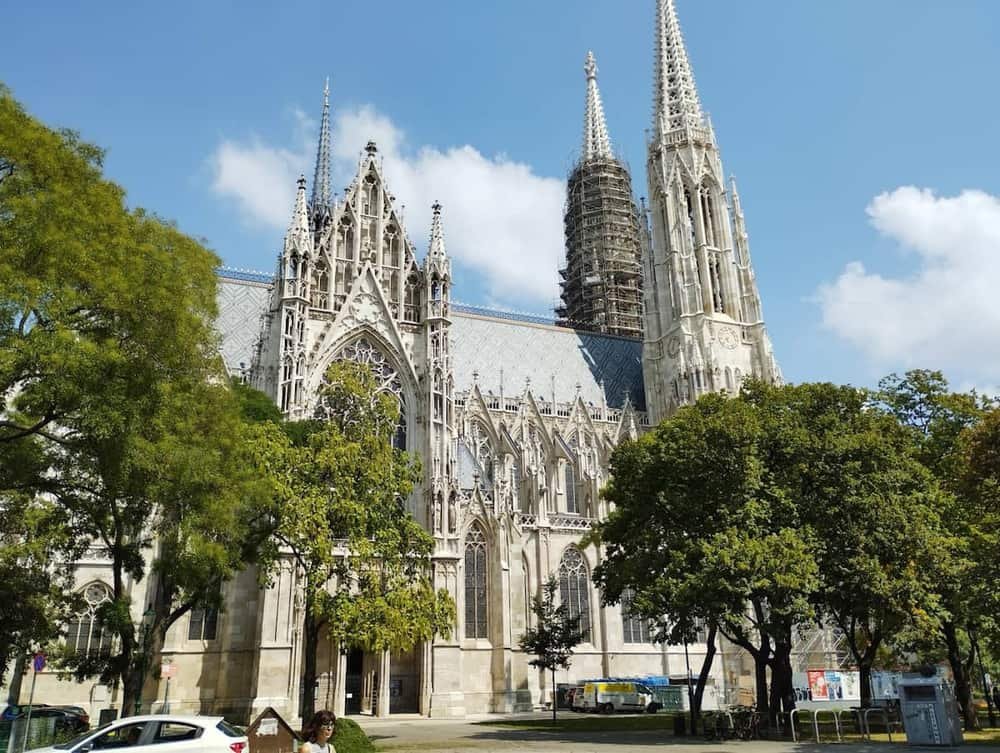 9th districtAlsergrundFreud's Berggasse, the Liechtenstein Garden Palace, the Votivkirche and the student bars around the old university campus.54 places
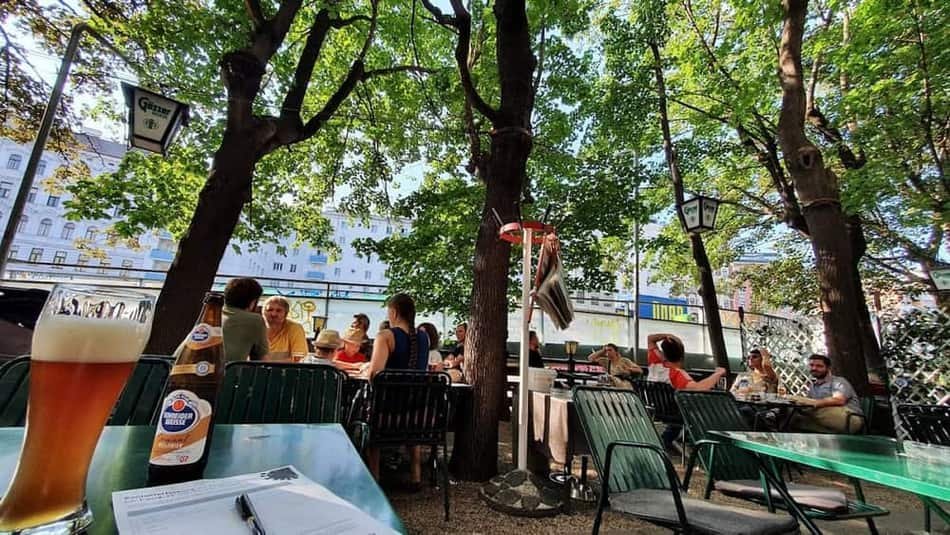 5th districtMargaretenRed Vienna's showpiece housing, Margaretenplatz and a lived-in, reasonably priced neighbourhood a short walk from the Naschmarkt.31 places
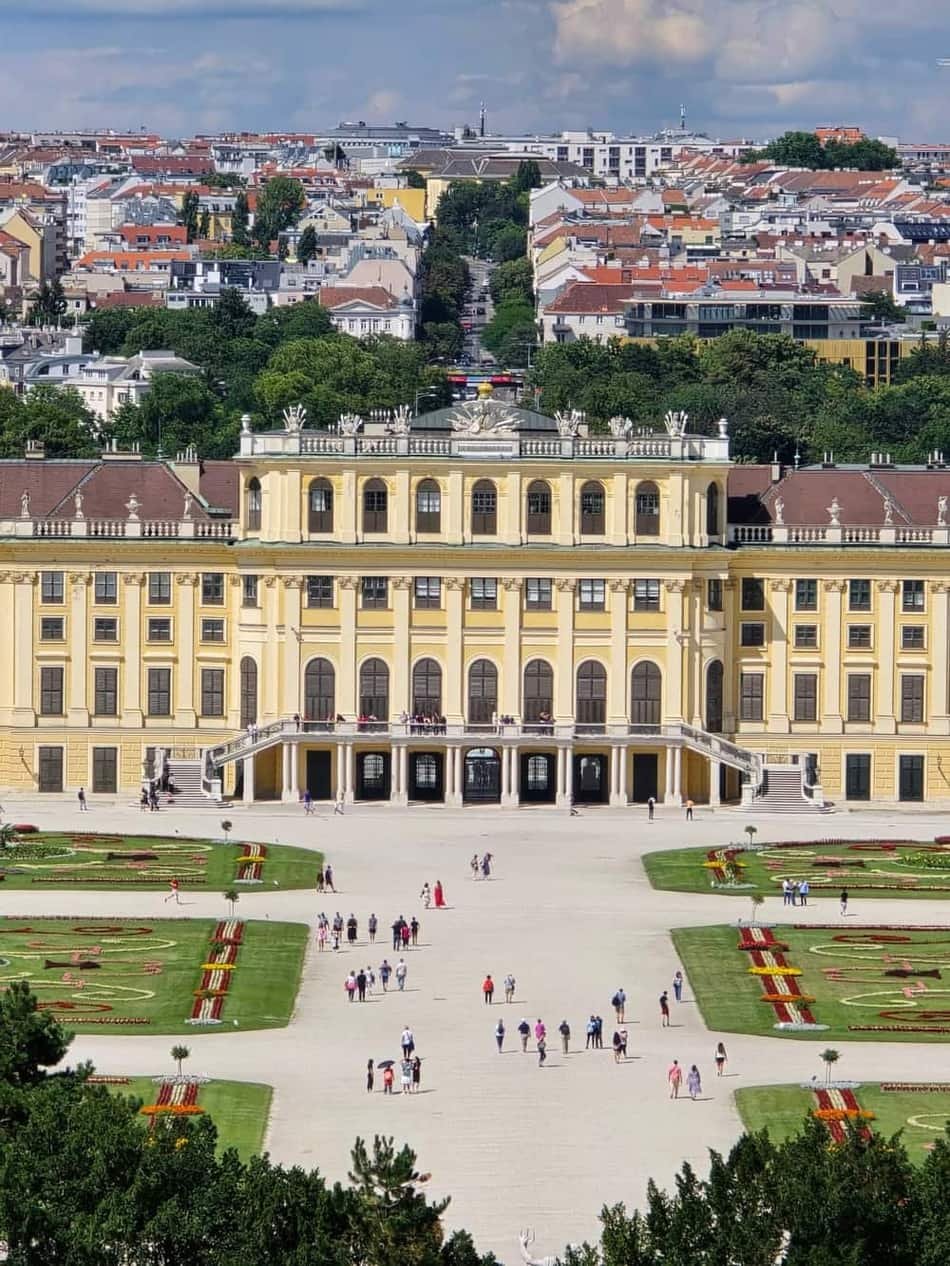 13th districtHietzing & SchönbrunnSchönbrunn Palace and its gardens, the Gloriette, the world's oldest zoo and a villa suburb where the Habsburg court summered.41 places
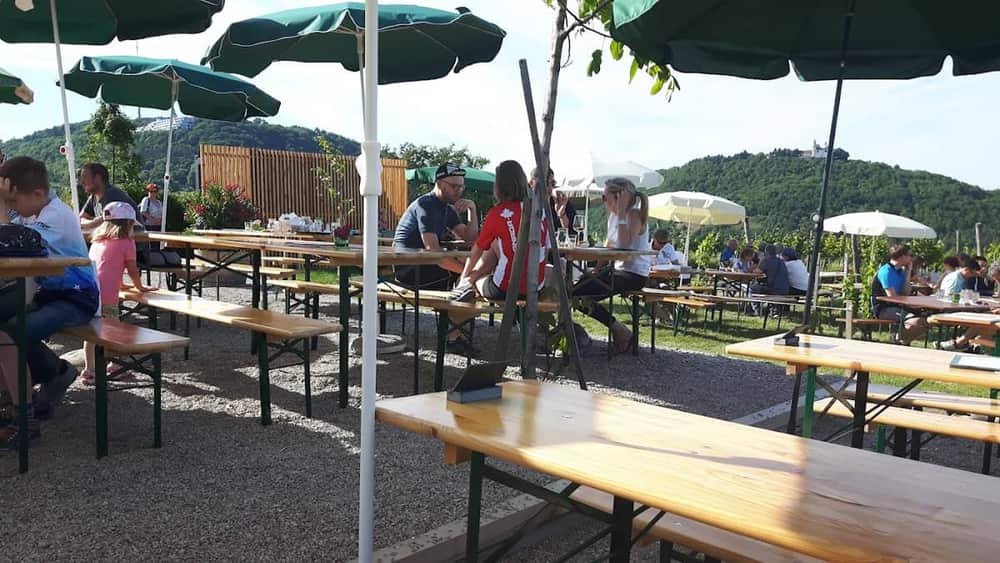 19th districtDöbling, Grinzing & KahlenbergVineyards inside the city limits: the Heurigen of Grinzing and Nussdorf, the Beethoven houses and the view from the Kahlenberg.72 places
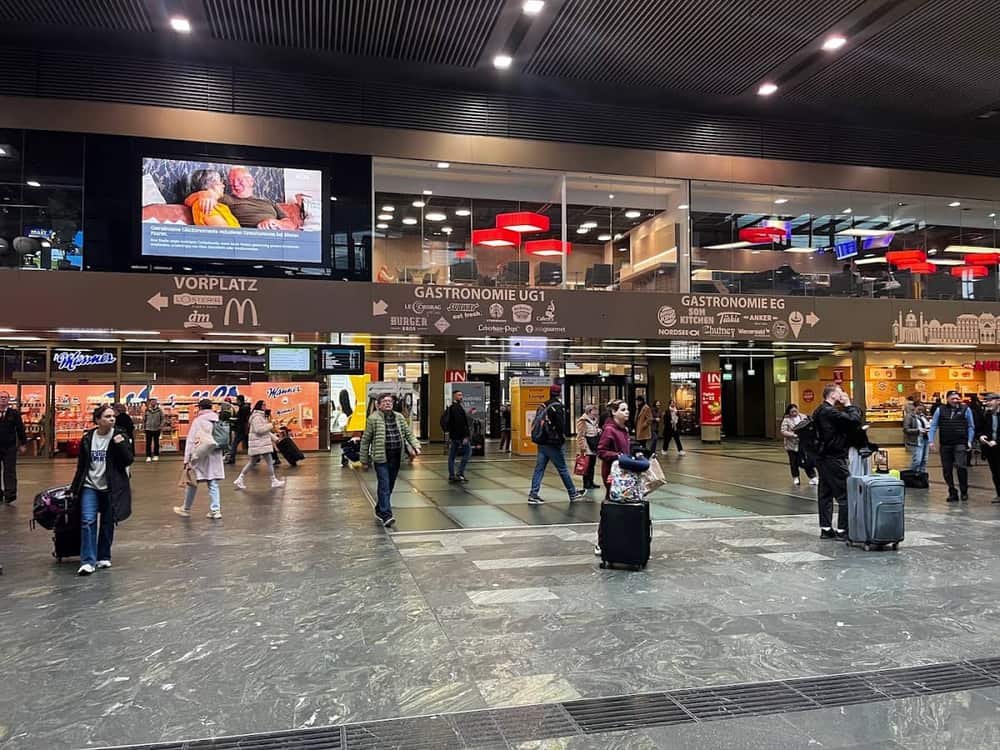 10th districtFavoriten & HauptbahnhofVienna's most populous district, home of the Hauptbahnhof, a multicultural high street and the thermal baths of Oberlaa.57 places
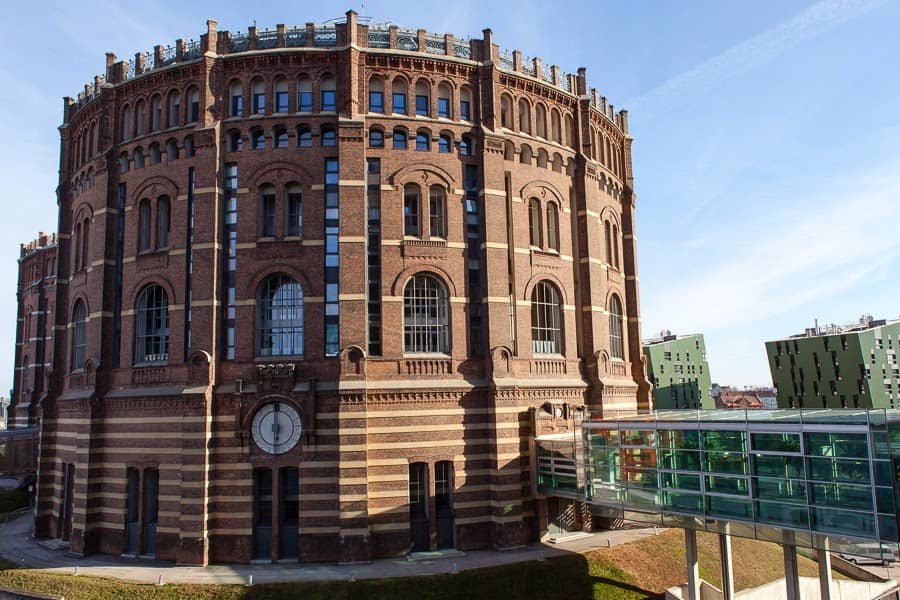 11th districtSimmering & ZentralfriedhofAn industrial district worth the trip for two things: the vast Central Cemetery and the converted Gasometers.32 places
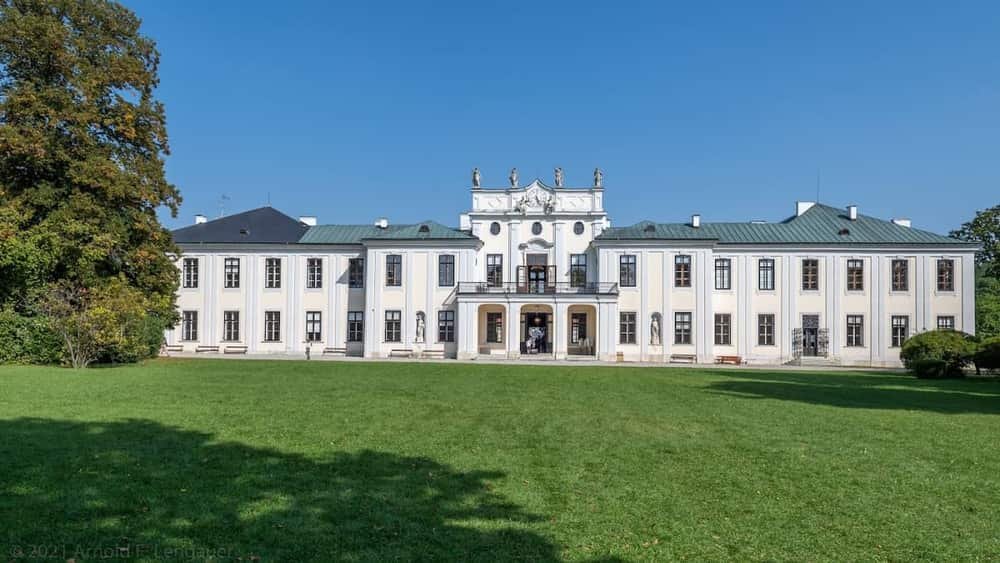 12th districtMeidlingA residential district next to Schönbrunn, known to travellers mainly for the Wien Meidling railway station.44 places
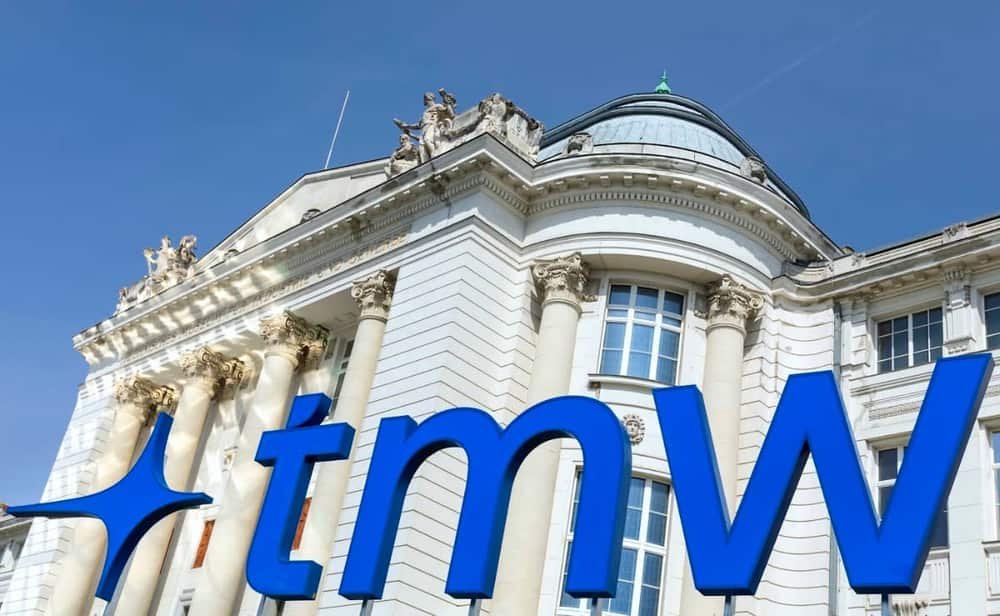 14th districtPenzing & SteinhofA large western district reaching into the Vienna Woods, with Otto Wagner's Steinhof church and the Technical Museum.33 places
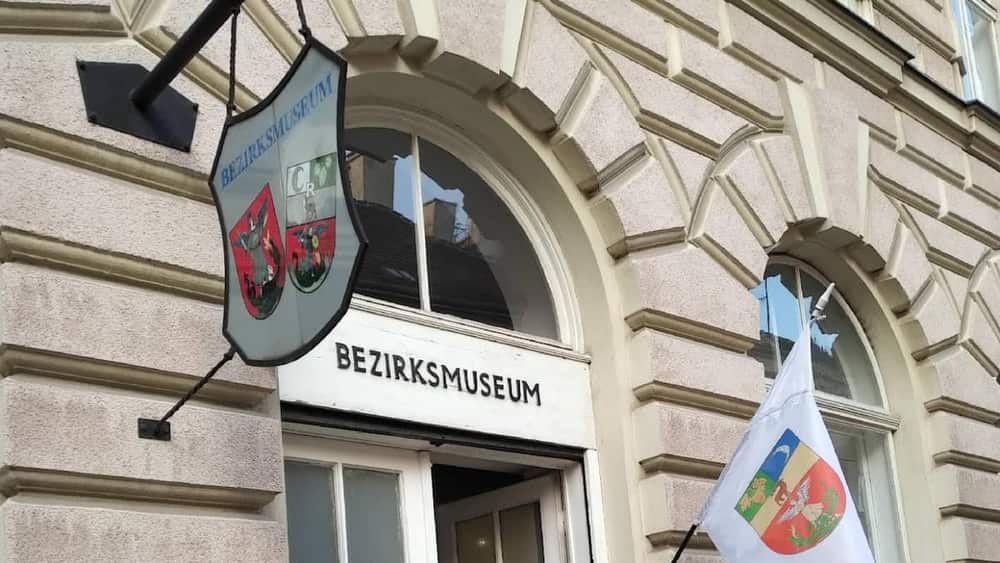 15th districtRudolfsheim-FünfhausA dense, multicultural district behind the Westbahnhof, with the Stadthalle arena and low hotel prices.60 places
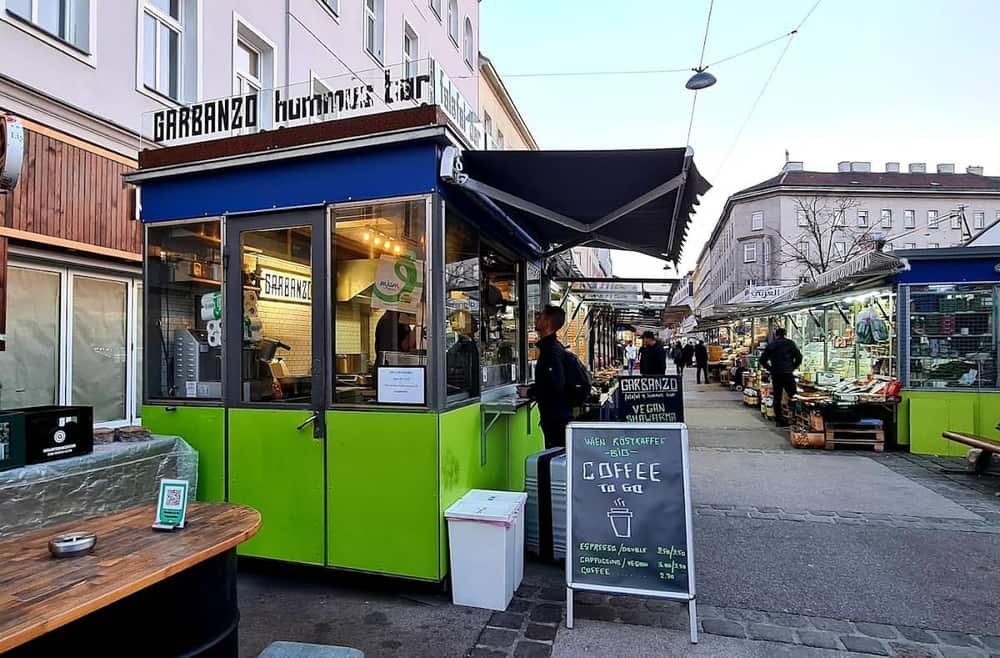 16th districtOttakringBrunnenmarkt, a brewery and wine taverns on the slopes: a lively working district climbing to the Vienna Woods.54 places
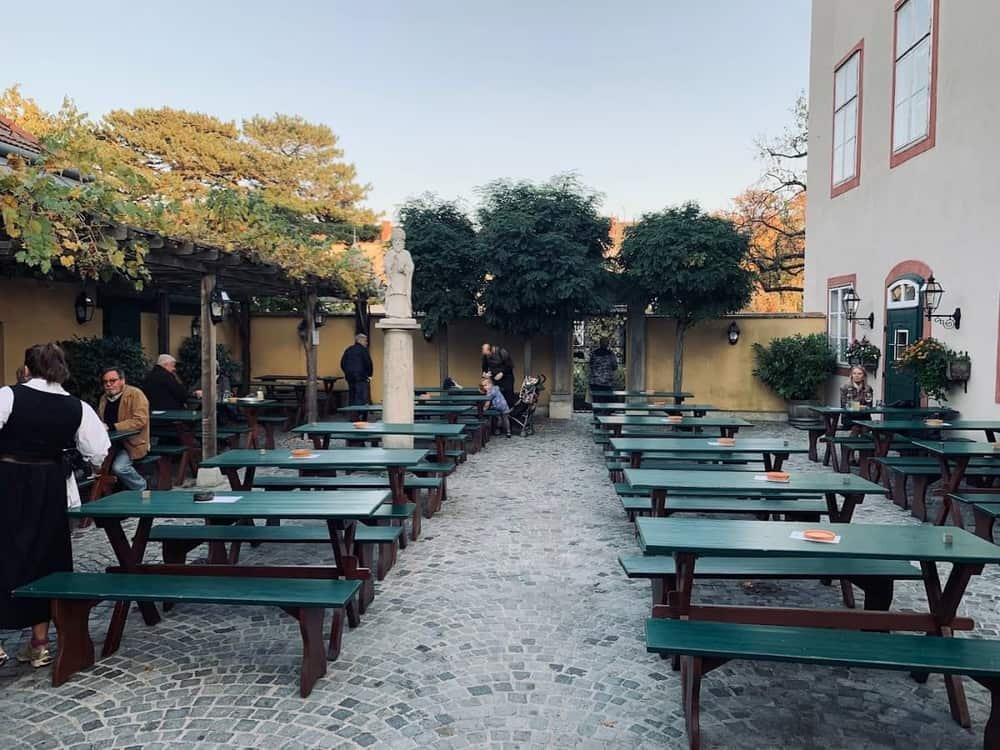 17th districtHernalsA quiet residential district running from the Gürtel to the woods at Neuwaldegg, with little for visitors beyond walks.32 places
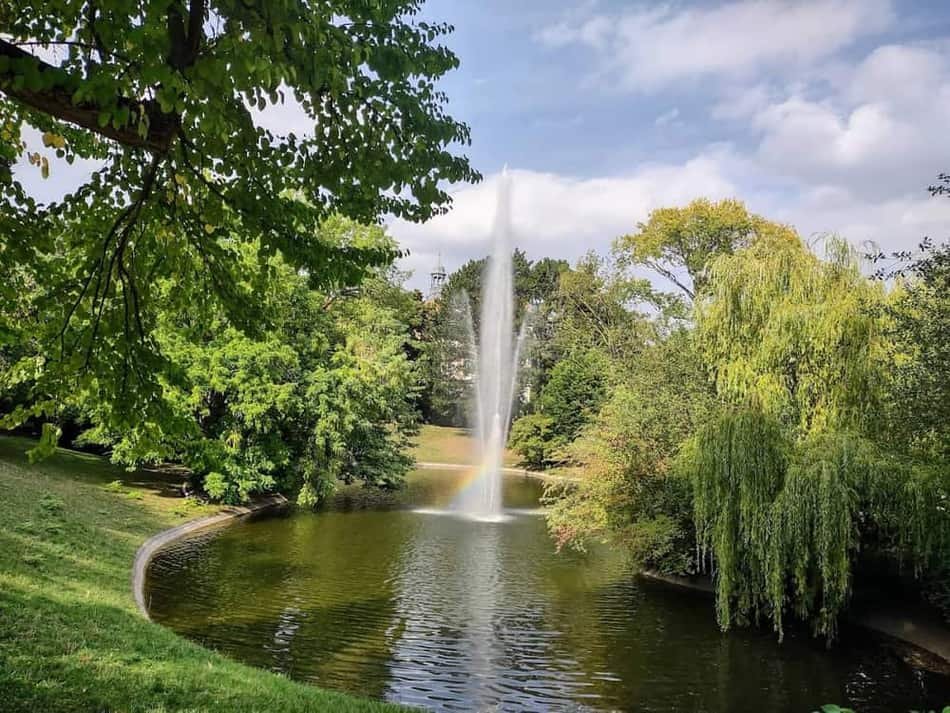 18th districtWähringA leafy, prosperous villa district with the Cottage quarter and the Türkenschanzpark — pleasant, quiet and short on sights.31 places
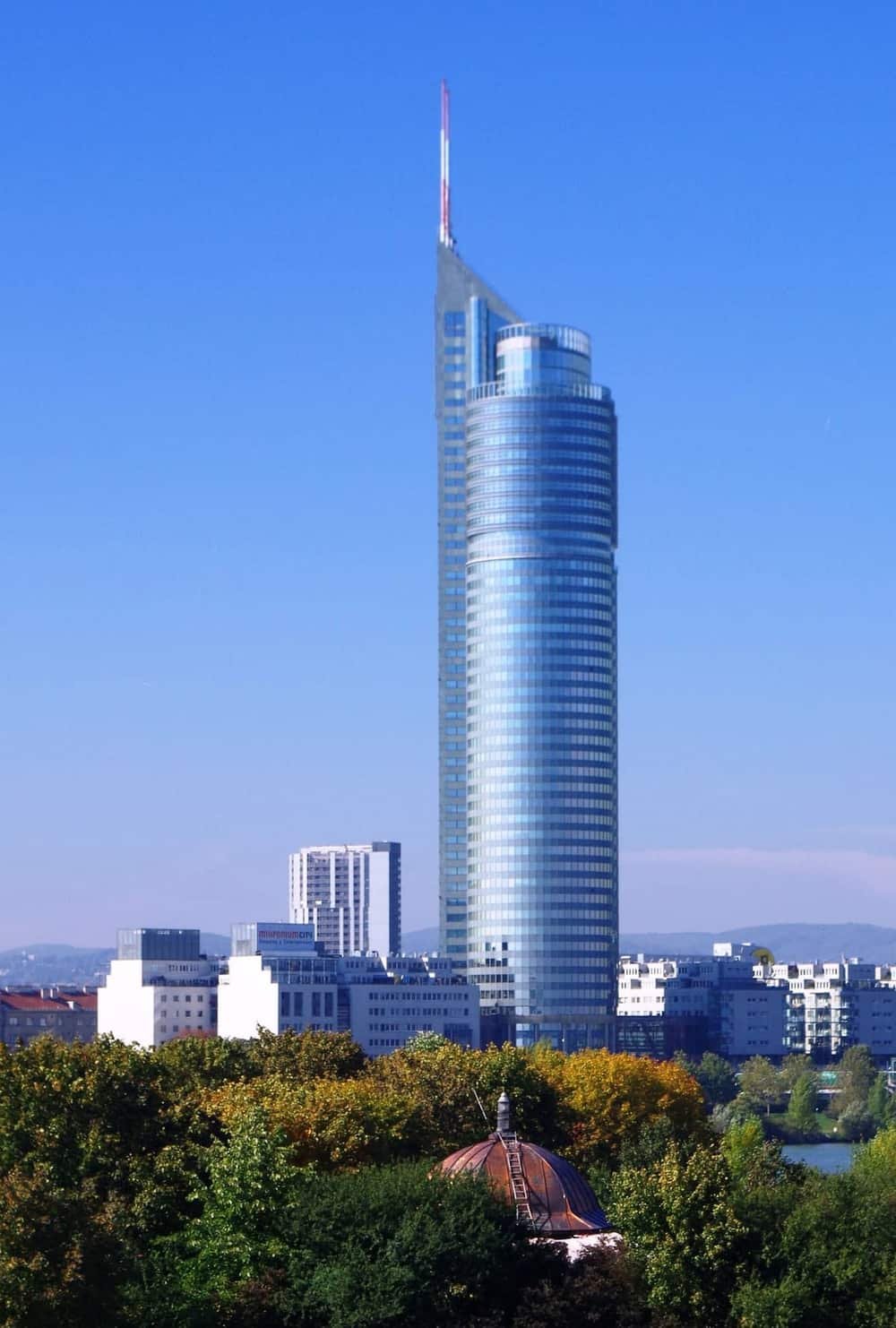 20th districtBrigittenauA residential island district between the Danube Canal and the Danube, practical rather than picturesque.32 places
 23rd districtLiesing & MauerVienna's southern edge: suburbs and industry, redeemed by the wine village of Mauer and the Wotruba Church.38 places
Across the Danube — the left bank
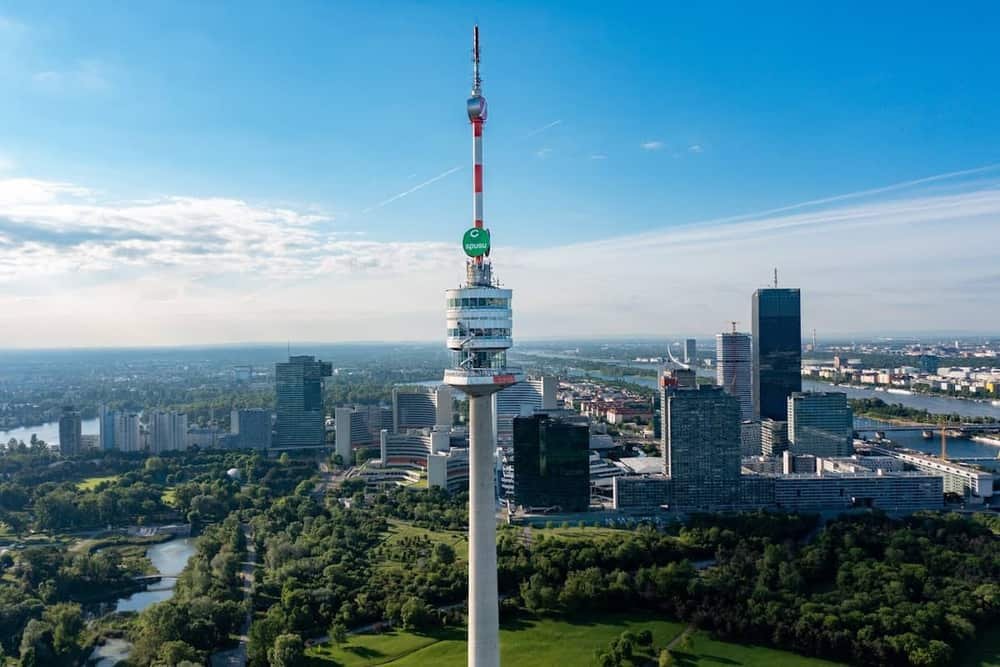 22nd districtDonaustadt & the DanubeThe Danube Island, the Alte Donau beaches, the Danube Tower and the glass towers of Donau City — Vienna's summer playground.31 places
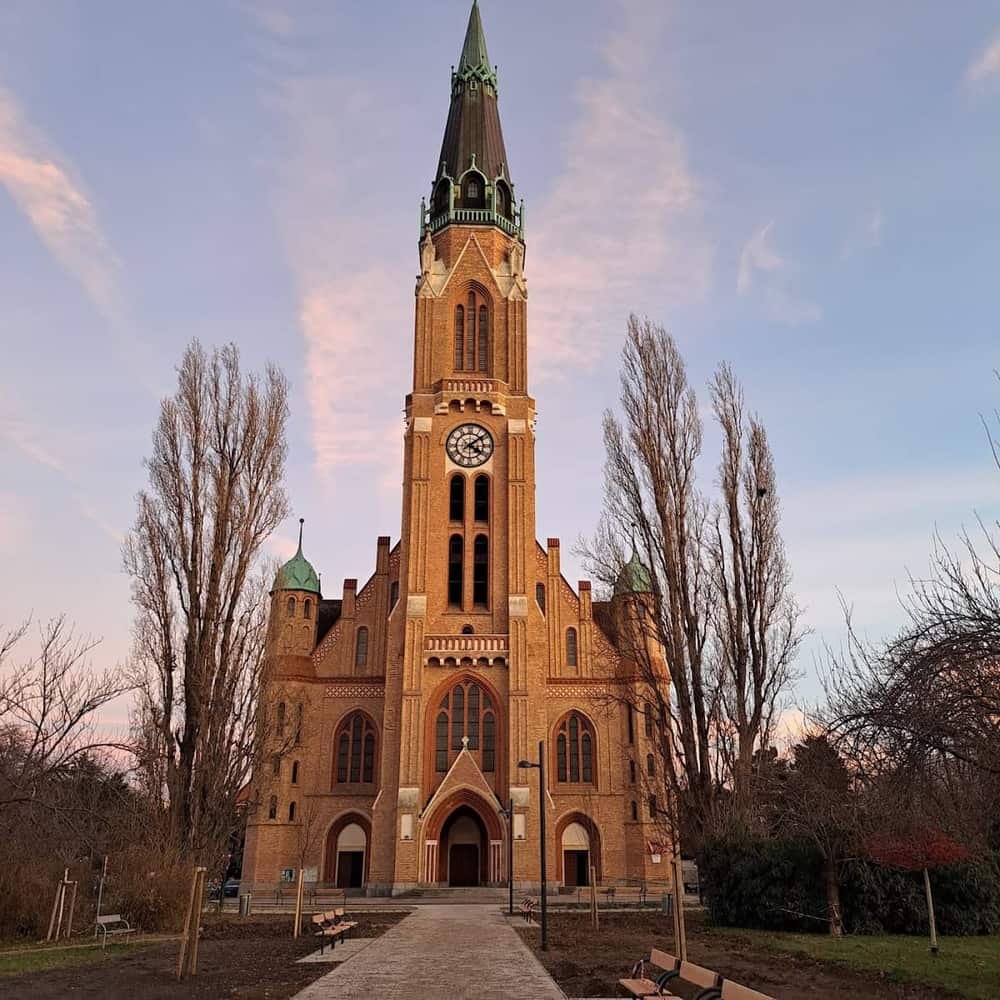 21st districtFloridsdorf & StammersdorfAcross the Danube: a big suburban district whose reason to visit is the wine village of Stammersdorf and its cellar lane.47 places
How the numbers work
The 1st district, the Innere Stadt, is the old city — the part that sat inside the walls until they came down in the 1850s and the Ringstrasse was laid out in their place. Everything numbered after it wraps around that core: the low numbers, roughly the 2nd to the 9th, fill the belt between the Ring and the Gürtel, the second, wider ring road; the teens lie beyond the Gürtel and reach out to the Vienna Woods; the 20s were added as the city grew north and south.
Seen that way, a district number is also a rough distance. The 4th, 6th, 7th and 8th are a walk or two stops from the Opera. The 13th and 19th are further out but are where Schönbrunn and the Heurigen are. The 10th, 15th and 16th are ordinary residential Vienna — pleasant to live in, rarely where a visitor needs to sleep.
Reading a postcode
A Vienna postcode is the district number with a 1 in front and a 0 behind: 1010 is the 1st, 1070 the 7th, 1190 the 19th, 1230 the 23rd. Once you notice that, apartment listings stop being opaque — a "central" flat with a 1100 postcode is in Favoriten, beyond the Hauptbahnhof, and a "Schönbrunn" hotel with 1150 is in Rudolfsheim-Fünfhaus, a tram ride from the palace gates.
Which side of the Danube?
The right bank is almost the whole city a visitor sees: the Innere Stadt, the Ring, the palaces, the museums, the coffee houses and nearly every hotel worth considering. The Danube Canal splits it from Leopoldstadt and the Prater, but that is a ten-minute walk, not a crossing.
The left bank — Floridsdorf and Donaustadt, across the main Danube — is newer, greener and built for living rather than visiting. You cross for three reasons: to swim at the Alte Donau or on the Danube Island in summer, for the UN district's modern skyline, or for the wine villages around Stammersdorf, where the Heurigen are more local than anything in Grinzing.
Most visitors sleep inside or just outside the Ring and never need the left bank at all. That is fine; just do not book a room there by accident because the map made it look close.
Where to stay, by district
Live prices and availability on a map centred on this exact spot — hotels, apartments and hostels, so you can judge the walk from here rather than guess from an address.
Bookings made through this map earn us a commission. Your price is unaffected.