Why Vienna, of all cities
Music is not an attraction in Vienna; it is the city's working life. Mozart, Haydn, Beethoven, Schubert, Brahms, Bruckner, Mahler and both Johann Strausses lived and worked within a few kilometres of the Stephansdom, and the institutions they wrote for are still open every night of the season. On any given evening between September and June there is usually a choice of opera, a symphony orchestra, chamber music and a sung Mass — often at prices far below those of London, Paris or New York.
The difficulty is not finding music. It is telling the real thing from the version sold to visitors, and buying it without paying a middleman twice the price.
The State Opera, properly
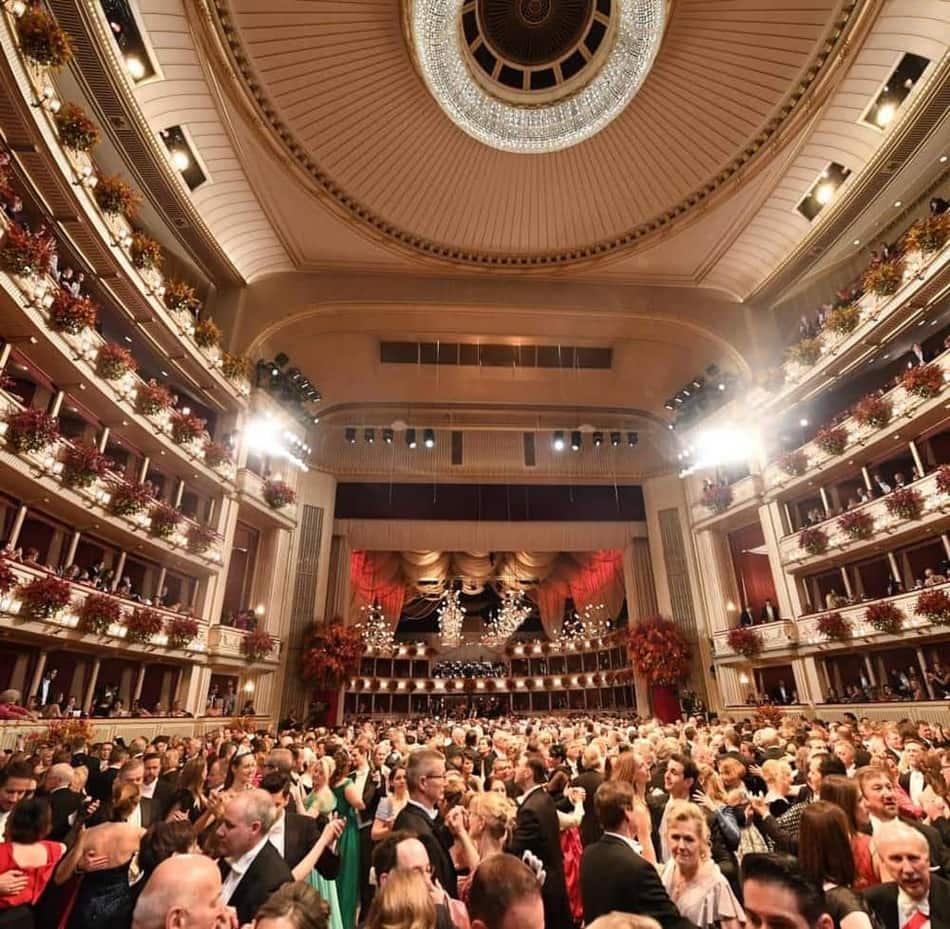
The Vienna State Opera on the Ring is a repertory house, which means it changes production almost every night rather than running one show for weeks. You can arrive in Vienna on a Tuesday and choose between Verdi, Wagner and a ballet by the weekend. Every seat has a small screen with subtitles in several languages, so not speaking German is no obstacle.
Seats sell out for the famous productions, but the house keeps 435 standing places, and they are one of the great cultural bargains of Europe. The standard route is the box office from 10:00 on the day of the performance. Visitors who will go more than once should look at the Bundestheater Card with the Standing Room PLUS option — a one-off €28 — which makes standing places €4–7 and lets you buy them online from 10:00 the day before. The Opera was revising its standing-room rules for the 2026/27 season, so read its standing-room page before you plan around a particular price.
If the calendar does not cooperate, take the guided tour instead: about 40 minutes, €18 for adults, in English and several other languages, with dates published in the middle of each month for the month ahead. It is the only way to see the marble staircase and the auditorium in daylight.
The Golden Hall and its neighbour
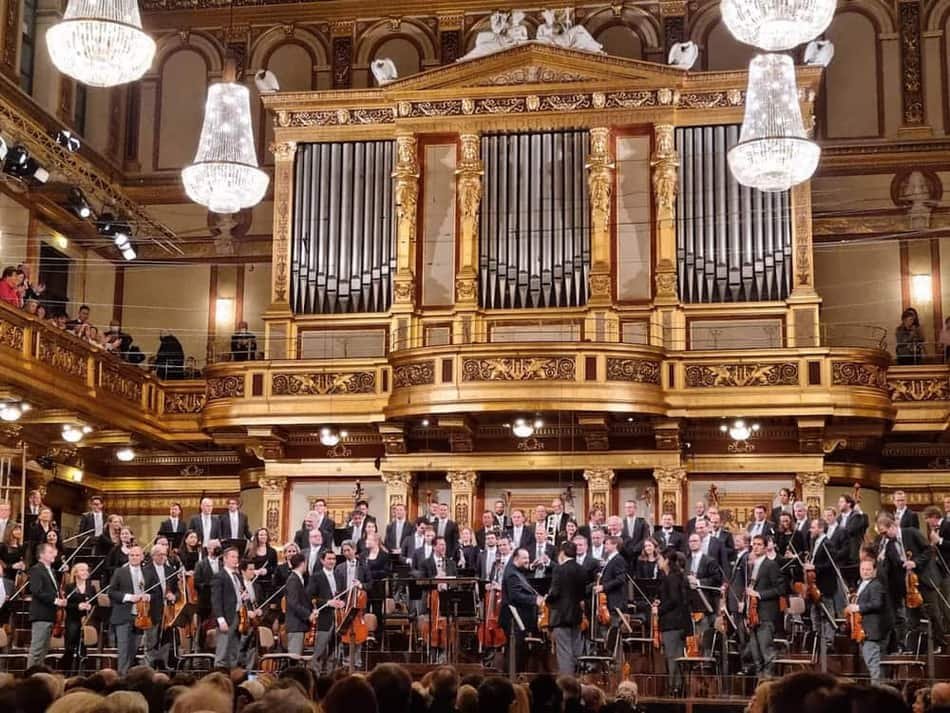
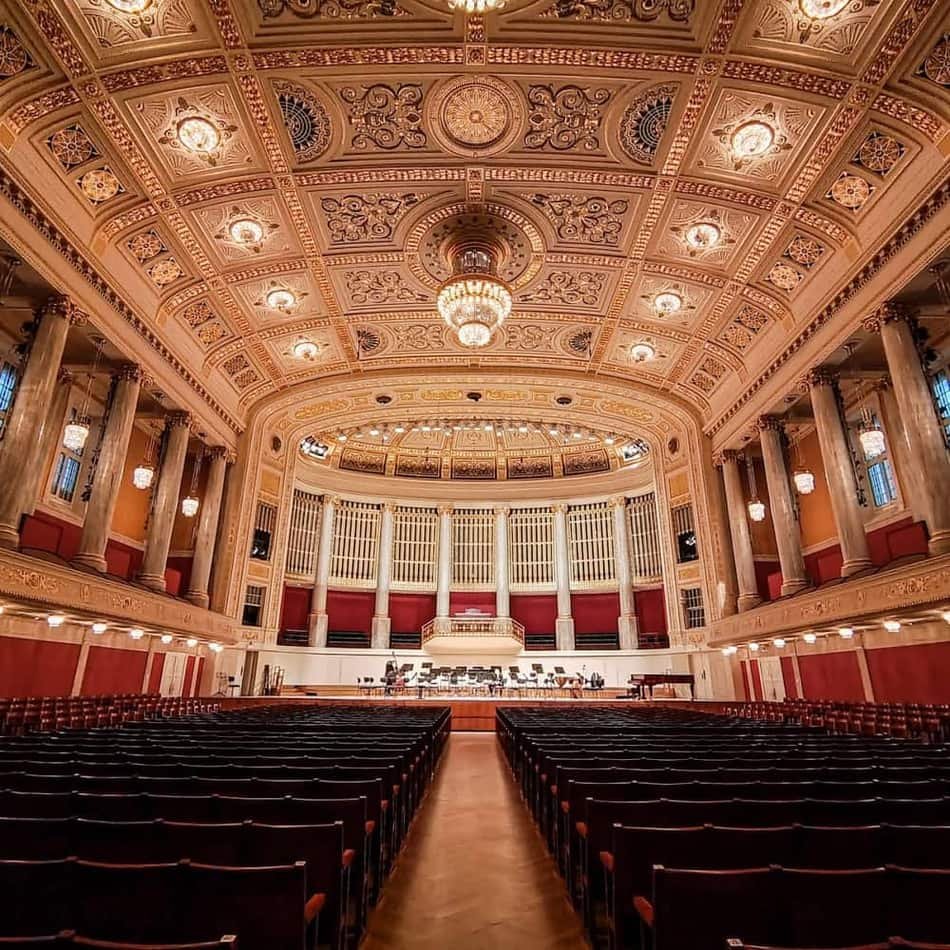
The Musikverein is the reason many people come. Its Golden Hall, a long gilded box lined with caryatids, is the room of the New Year's Concert and the home of the Vienna Philharmonic. The acoustics are as good as their reputation. But be careful: the Philharmonic's own concerts are hard to get, and on many evenings the hall is rented to orchestras that play a light programme for visitors in period costume. Those are the tickets sold on the street. Buy the Musikverein's own season from its own box office on Bösendorferstraße and you will know exactly what you are hearing. The New Year's Concert itself — conducted in 2027 by Tugan Sokhiev — is allocated through the Philharmonic's registration, not sold on the open market.
A few minutes' walk away, the Konzerthaus is the more open-minded house: several halls, a wide programme from early music to jazz and contemporary work, and often better availability. For a returning visitor, it is frequently the more interesting evening.
Beyond the big two
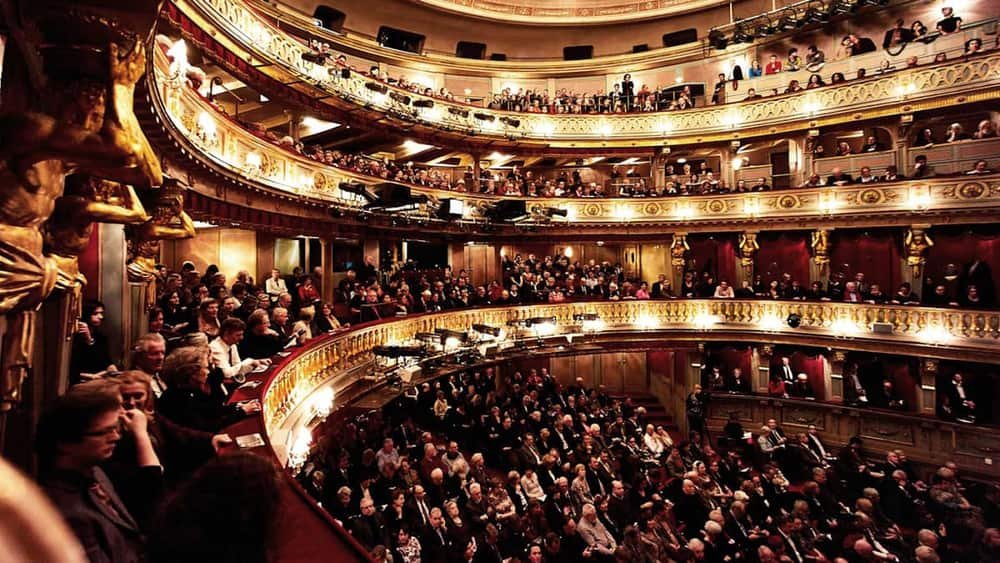
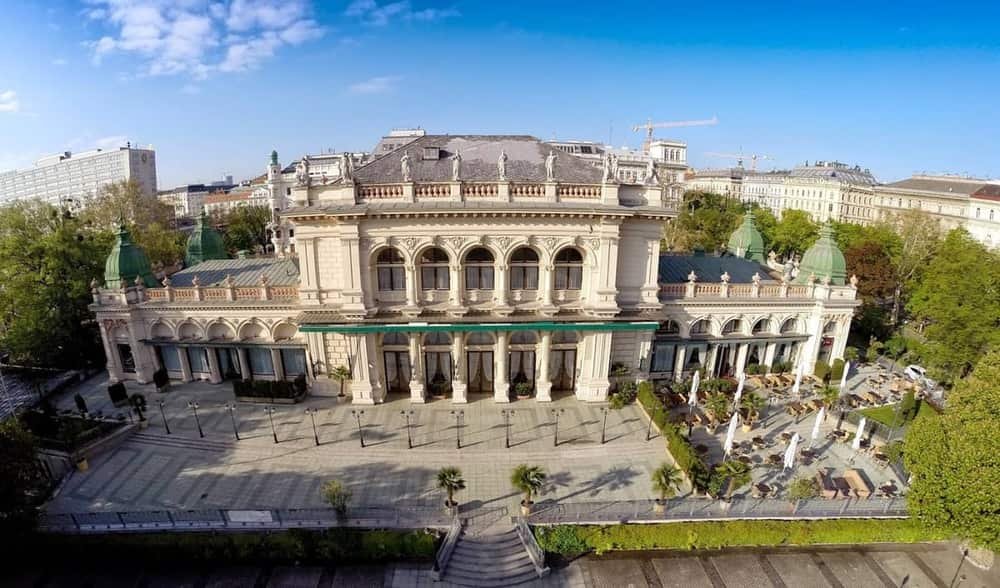
The Theater an der Wien, where Beethoven's Fidelio was first performed, has reopened after its renovation as an opera house with fewer, more ambitious productions. The Volksoper, out on the Gürtel, is the house for Viennese operetta and a warmer, less formal night. And for an easy evening with no preparation, the Kursalon in the Stadtpark stages Strauss and Mozart nightly — legitimate and enjoyable, as long as you understand it is a programme built for visitors.
Sunday morning and the Boys Choir
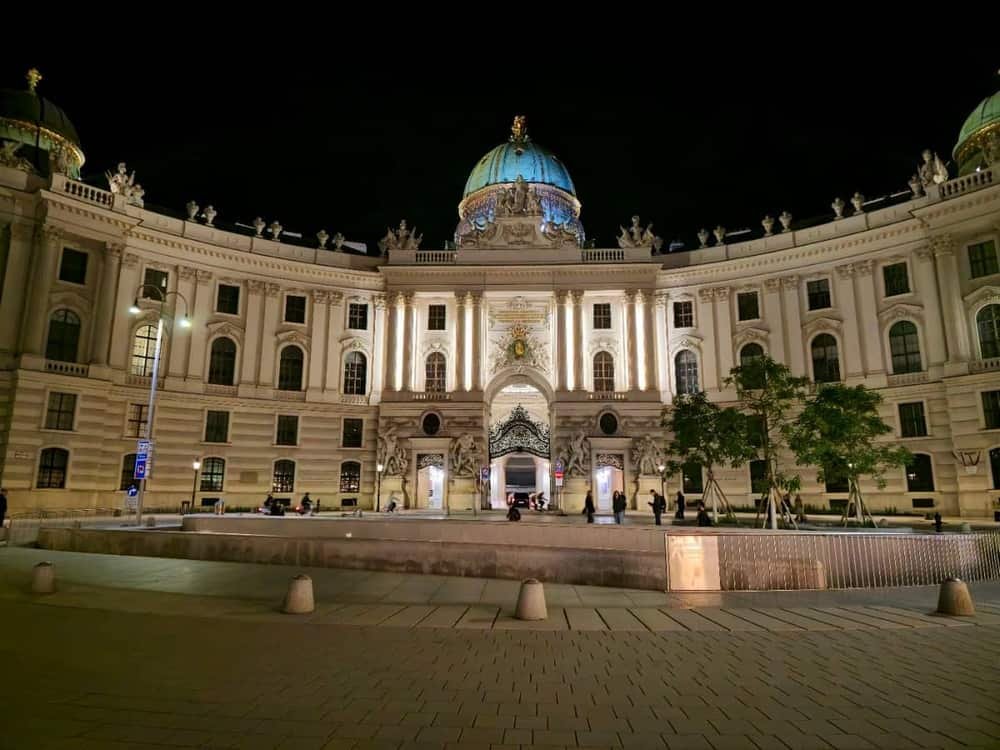
The most Viennese hour of music costs little and starts at 09:15 on a Sunday. From September to June, the Vienna Boys Choir sings Mass in the Hofburgkapelle, the chapel of the Hofburg, with members of the State Opera orchestra and chorus. It is a church service, not a show: the boys sing from the gallery, so you hear them rather than see them. Book seats through the chapel's ticketing partner and arrive early. To see the choir on stage, look at the calendar of MuTh, their own hall by the Augarten.
Summer and a final warning
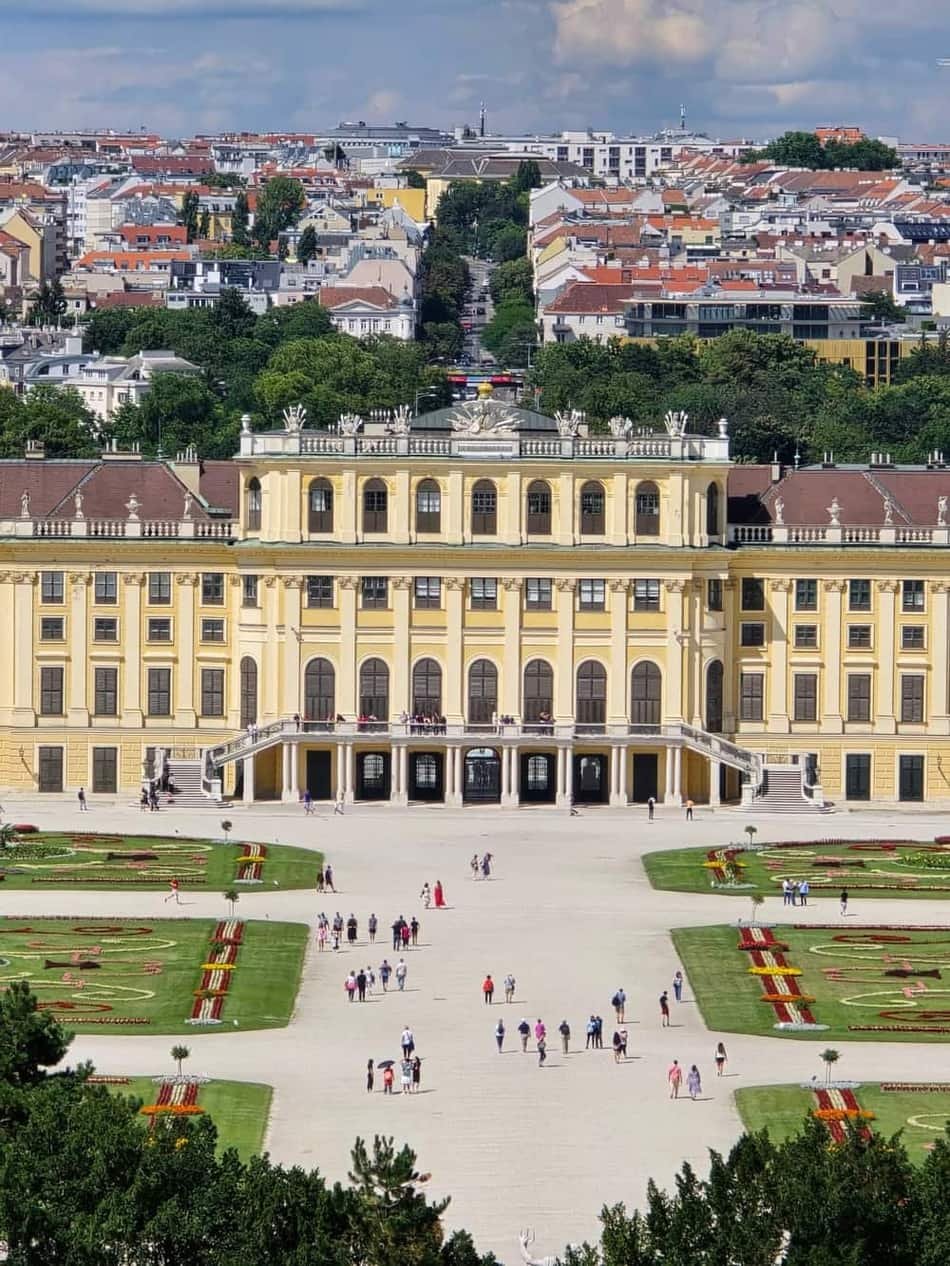
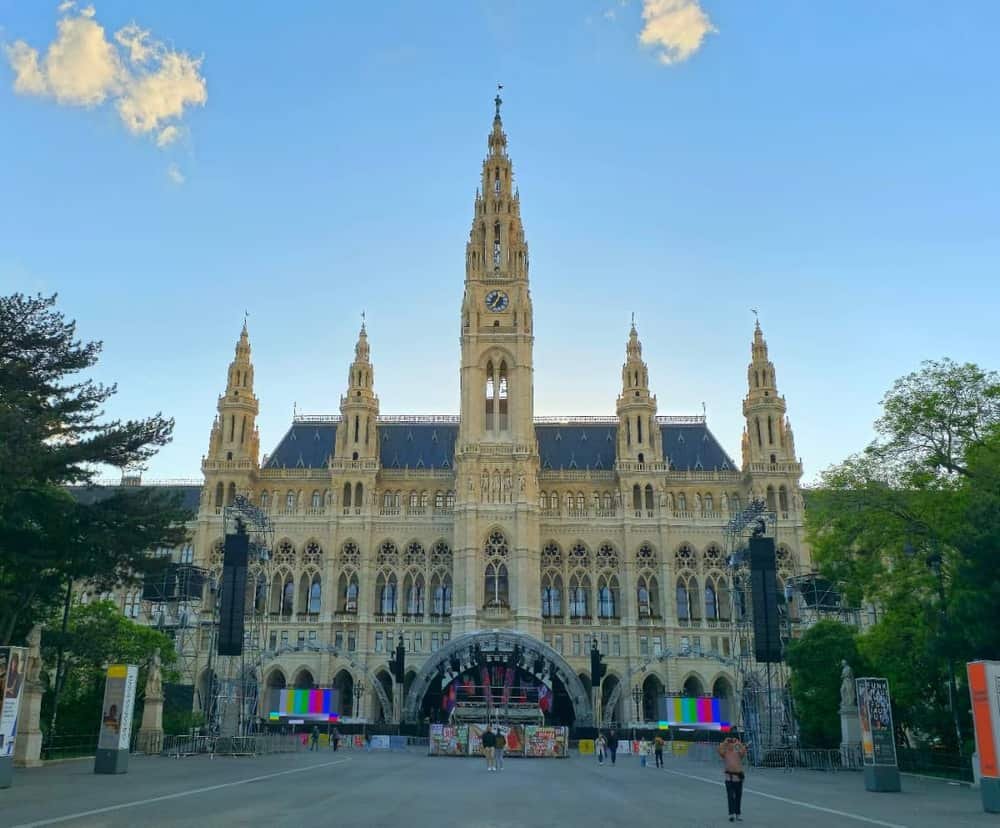
In July and August the indoor houses wind down and the city moves outdoors. The Vienna Philharmonic's free Summer Night Concert in the Schönbrunn gardens usually falls in June, and the Film Festival in front of the City Hall screens opera and concert films for free through the summer evenings.
Whenever you come, ignore the costumed sellers. The Vienna Tourist Board says it plainly: do not buy tickets from street vendors. Buy from the venue, or from an established agency such as oeticket or Wien-Ticket. The music in this city is too good to hear it through a middleman.
Details on this page were checked on the official sites in September 2026. Programmes, prices and rules change by season; confirm with the venue before you buy.